Ukraine’s Reported Triple Drone Strike Puts Russian Airbase Security Under Scrutiny
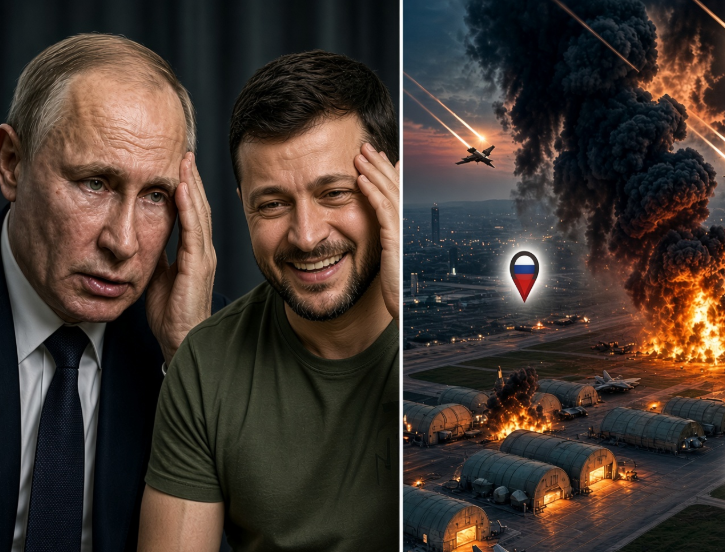
Ukraine’s long-range drone campaign continues to focus attention on the vulnerability of Russian military aviation and infrastructure far from the front lines. A reported series of attacks targeting Khanskaya, Gvardeyskoye, and Primorsko-Akhtarsk airbases allegedly struck within a 24-hour period, raising questions about Russia’s ability to protect aircraft and drone-launch facilities against coordinated unmanned attacks.
According to the supplied account, the operation targeted valuable Su-34 and Su-35 combat aircraft alongside infrastructure associated with Shahed-type attack drones. The claimed losses, estimated at $150 million, would represent a significant financial setback if independently confirmed. However, the number and types of aircraft destroyed, the extent of damage to facilities, and the total cost of losses require reliable evidence, such as verified imagery or corroborated reporting.
The reported operation illustrates Ukraine’s broader reliance on asymmetric warfare. Long-range drones can be produced and deployed at costs substantially below those of many conventional combat aircraft, allowing Ukraine to threaten strategically important sites without risking a manned aircraft on every mission. Coordinated attacks may also force Russia to spread air-defense systems across a large area and devote additional resources to protecting its aviation infrastructure.
Ukraine’s F-16 fleet serves a different role, contributing to air defense and other missions depending on aircraft availability, weapons, and operational requirements. The claim that these aircraft are being used exclusively as defensive shields should not be assumed without further evidence.
The account also references an alleged Russian friendly-fire incident involving an Su-35 and a Mi-8 helicopter. That specific claim requires independent verification before it can support conclusions about systemic failures in Russian air-defense coordination.
Overall, the reported strikes underscore the growing importance of drones in modern warfare. Their strategic impact will depend on confirmed losses, the disruption caused to Russian operations, and Moscow’s ability to adapt its defenses and repair damaged infrastructure.