Ukraine’s Reported Deep Strikes Raise Questions About Russian Logistics and Supply Networks
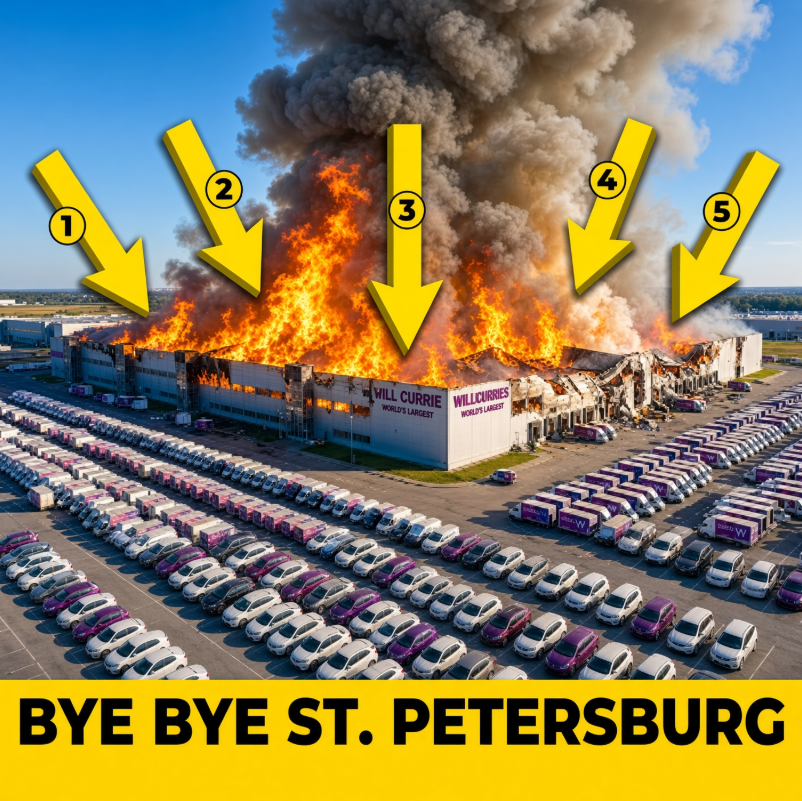
Ukraine has reportedly expanded its long-range strike campaign against targets deep inside Russia, with claims of drone and missile attacks affecting facilities across multiple regions, including areas near St. Petersburg. The report focuses on warehouses associated with Wildberries, one of Russia’s major e-commerce companies, arguing that attacks on commercial logistics infrastructure could create wider disruptions to domestic distribution and military supply networks.
Russian officials have characterized strikes on civilian infrastructure as attacks on nonmilitary targets. The report, however, alleges that some commercial supply channels have also handled equipment potentially useful to Russian forces, including drone components, optical devices, and communications accessories. Establishing whether specific warehouses stored military-related goods, and whether they were deliberately targeted for that reason, would require independently verified evidence.
The video claims that attacks disrupted more than 10% of the relevant logistics network within a week and caused approximately $1 billion in economic losses. It also describes delays affecting freight movements along the Moscow–St. Petersburg corridor and financial pressure on small businesses. These figures and the reported scale of transportation disruption remain unverified and should not be treated as established facts without corroborating reporting.
The broader strategic question is whether Ukraine can impose meaningful costs on Russia by targeting the infrastructure that supports both civilian commerce and military procurement. Disruptions to warehouses and transportation networks can affect deliveries, increase costs, and force companies to reroute shipments. However, the military consequences depend on the goods involved, the duration of interruptions, and the availability of alternative suppliers and routes.
The reported strikes highlight the increasingly blurred logistical connections between Russia’s civilian economy and its war effort. Their overall impact will depend on confirmed damage, documented supply-chain interruptions, and evidence linking affected facilities to military operations.