Charged and largely partisan narrative involving former U.S. President Barack Obama, President Donald Trump, and developments in Hungary and U.S. foreign policy.
The article begins by claiming that elections in Hungary resulted in the defeat of former Prime Minister Viktor Orbán and a victory for opposition leader Péter Magyar. It suggests that the U.S. administration under Trump had supported Orbán’s political position, including sending Vice President JD Vance to Hungary ahead of the vote. Following the election outcome, Obama is portrayed as publicly praising the result on social media, framing it as a win for democracy and rule of law.
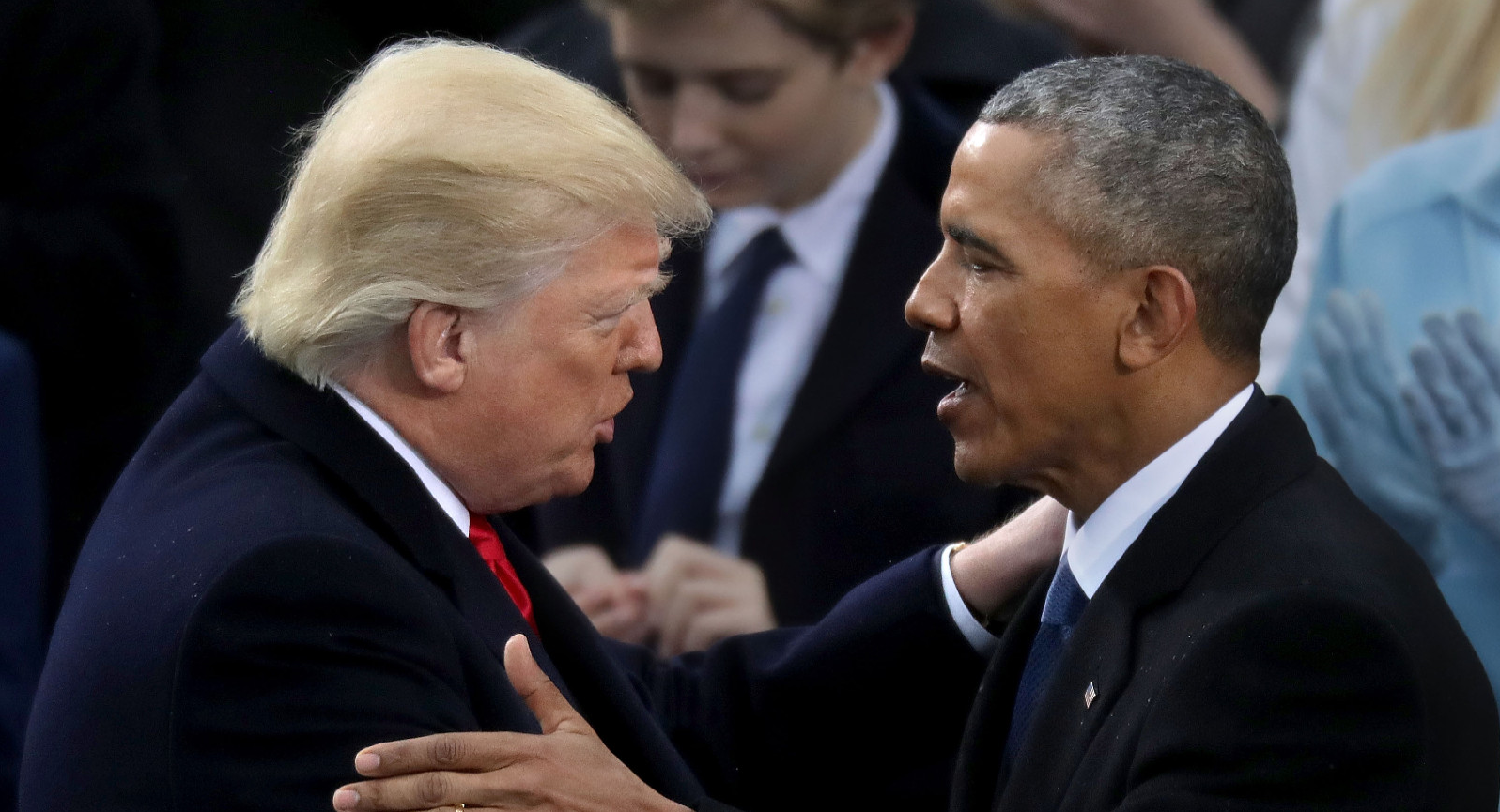
The text then contrasts this with ongoing political tensions between Obama and Trump. It alleges that Obama has supported redistricting efforts in certain U.S. states while opposing similar moves in Republican-led states, presenting this as part of broader partisan disagreements between the two figures.
The article also references Obama’s past public remarks, including comments made at an event honoring civil rights leader Jesse Jackson, suggesting these remarks were critical of Republicans and the Trump administration and sparked internal disagreement within Jackson’s family.
A significant portion of the passage shifts to foreign policy, focusing on Iran. It claims Trump and Defense Secretary Pete Hegseth criticized Obama’s nuclear agreement with Iran, arguing that it enabled the Iranian government to strengthen its military capabilities. The agreement referred to is the 2015 Iran nuclear deal, formally known as the Joint Comprehensive Plan of Action (JCPOA), which was negotiated under Obama and later withdrawn from by Trump during his first term.
The article also references ongoing military tensions involving Iran and suggests the existence of a U.S.-led operation called “Operation Epic Fury,” though no widely verified public record confirms such an operation. It further repeats Trump’s long-standing criticism that Iran received significant cash payments under the nuclear agreement, which Obama’s administration has previously explained as settlement of longstanding financial claims between the two countries.
Overall, the passage presents a strongly opinionated and politically framed account that mixes verified historical references (such as the JCPOA and U.S.-Iran relations) with disputed or unconfirmed claims about current events, military operations, and foreign elections.