Ukraine’s Reported Counteroffensives Challenge Russian Claims and Battlefield Strategy
A new battlefield report claims that Ukrainian forces have thwarted Russian attempts to encircle the Kramatorsk–Sloviansk defensive belt and launched a significant counteroffensive near Lyman. According to the account, Ukraine’s 1st Azov Corps, the 425th Skelia Regiment, and drone units helped resist Russian pressure around Dobropillia. Allegations that Russian commanders issued inaccurate reports about territorial gains remain unverified and require independent corroboration.
The report also describes “Operation Vivaldi,” allegedly a four-month Ukrainian counteroffensive led by the 3rd Corps that recovered 277 square kilometers near Lyman and inflicted losses on Russia’s 144th Division. If confirmed, such gains would be significant, but the claimed territorial changes and assertion that Russia has lost more ground than it gained since September 1 need to be checked against reliable battlefield mapping.
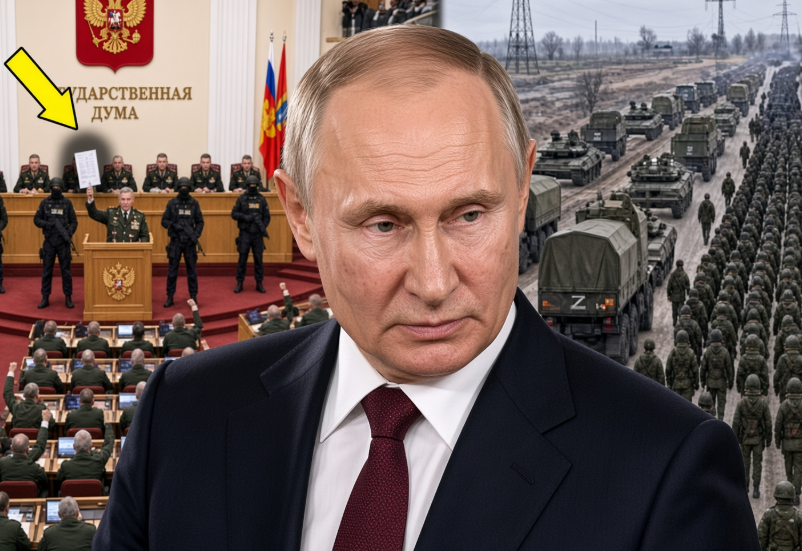
Beyond the front lines, the account raises concerns about Russian military leadership, recruitment, and economic sustainability. It cites allegations of Russian officers ordering executions of their own troops, a possible disruption affecting Starshield-supported Ukrainian drone operations, and mounting fiscal pressure from defense spending and a shrinking National Wealth Fund. These claims vary in scope and reliability and should not be treated as established facts without supporting evidence.
The report also mentions diplomatic and commercial developments, including a Russian diesel tanker reportedly heading toward the United States and a proposed humanitarian ceasefire in Oleshky. Their significance remains unclear from the supplied information.
Taken together, the claims describe a conflict shaped by contested territorial gains, drone warfare, leadership disputes, and economic pressure. Independent verification is essential before concluding that Russia’s broader military position has fundamentally changed.