Ukraine’s Reported Multi-Front Counteroffensive Puts Russian Defenses Under Pressure
Ukraine is reportedly conducting coordinated operations across several sectors of the Russia–Ukraine war, combining frontline counterattacks with long-range strikes against military and industrial infrastructure inside Russia. The supplied account describes developments in Zaporizhzhia, Kupyansk, and the Moscow region, although the claimed territorial gains, battlefield encirclements, and scale of the attacks require independent verification.
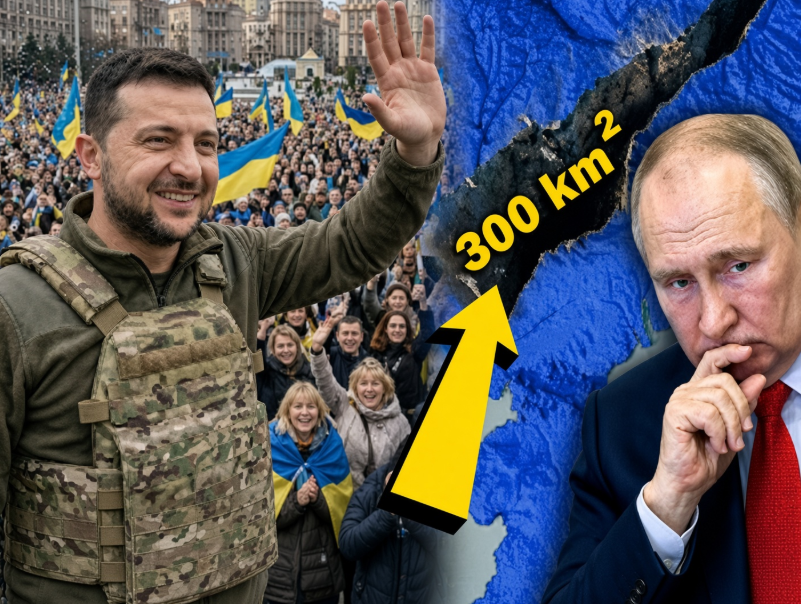
On the southern front, the report claims Ukrainian forces have breached Russian defenses in the Zaporizhzhia direction and recovered approximately 300 square kilometers, including dozens of settlements. If confirmed, such advances could disrupt Russian defensive positions and complicate supply routes. In the Kupyansk–Kharkiv sector, the account describes Russian units as increasingly isolated, raising questions about their ability to maintain communications, resupply, and coordinated operations.
The analysis also focuses on Ukraine’s expanding long-range drone campaign. It claims that waves of more than 100 drones disrupted operations at Moscow-area airports, while attacks targeted radar installations and fuel infrastructure in the Donbas region. These operations highlight the pressure that repeated aerial threats can place on air defenses and transportation networks.
Another major focus is the reported use of Ukraine’s Flamingo cruise missiles against strategic Russian defense-industrial facilities approximately 1,400 kilometers away. The specific targets, extent of damage, and operational results remain to be independently established.
Together, these developments illustrate Ukraine’s reported strategy of combining territorial pressure with attacks on logistics and military production. Whether they represent a decisive shift in the war will depend on confirmed battlefield changes, Russia’s ability to reinforce its positions, and the sustainability of Ukraine’s operations.