Moldova and Romania Tighten Pressure on Russia’s Position in Transnistria
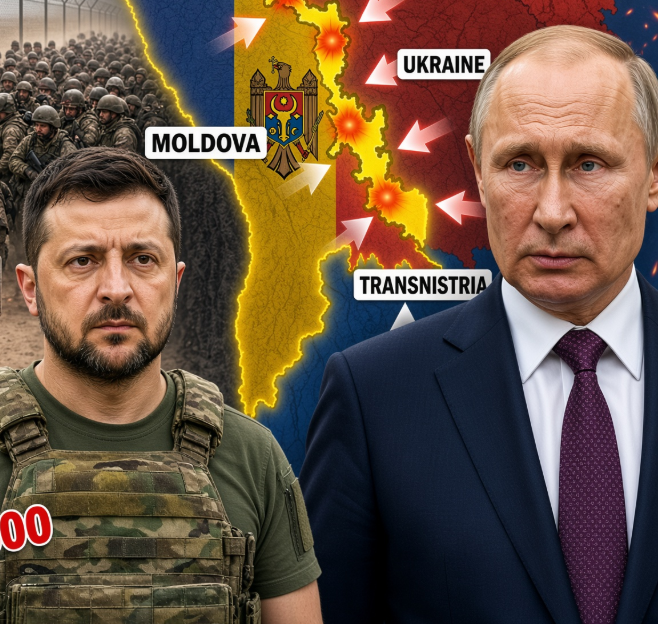
Transnistria, the breakaway region of Moldova that hosts Russian military forces, is facing increasing geopolitical and economic pressure as Moldova strengthens its ties with the European Union and expands cooperation with Romania and Ukraine. The developments could further weaken Moscow’s influence over one of its remaining military footholds in southeastern Europe.
The supplied account describes a coordinated effort by Chișinău, Bucharest, and Kyiv to reduce Russia’s leverage without direct military confrontation. It highlights Moldova’s reported progress toward EU membership, including the opening of accession negotiations, alongside efforts to reduce dependence on Russian energy supplies through the Vulcănești–Chișinău power transmission line.
The strategy also involves restricting the political and financial networks that help sustain Russia’s presence in Transnistria. Measures targeting Russian-linked officials and institutions could make it increasingly difficult for Moscow to maintain its influence over the region, particularly as Moldova deepens its economic and infrastructure connections with the European Union.
For Russia, these developments could complicate its position near Ukraine’s southwestern border and limit its ability to use Transnistria as a source of regional pressure. However, the Russian military presence has not necessarily disappeared, and the region’s political status remains unresolved.
The situation illustrates how energy independence, European integration, and regional cooperation can reshape a frozen conflict without direct armed confrontation. The extent of Russia’s strategic losses will depend on whether these measures translate into lasting changes on the ground.