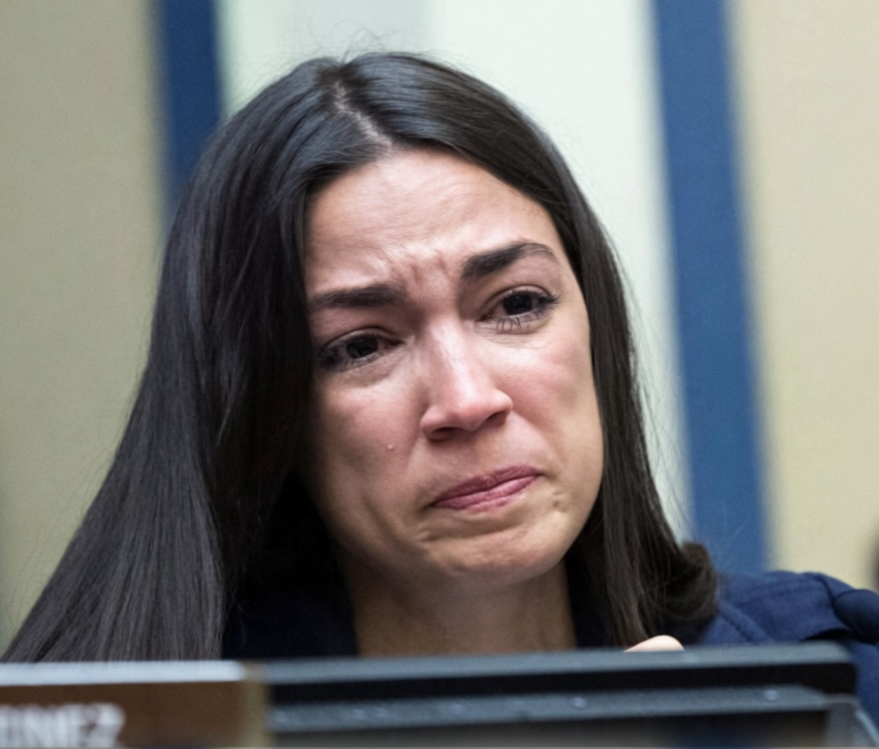
Campaign finance records show that Rep. Alexandria Ocasio-Cortez spent more than $2,000 on professional hair and makeup services through a celebrity styling firm, drawing criticism and renewed scrutiny over how public figures balance image and political messaging.
According to filings with the Federal Election Commission, her campaign made several payments to The Only Agency, a firm representing celebrity stylists, makeup artists, and creative professionals. Reported payments included $670 for “campaign event makeup services,” followed days later by payments of $693.08 and $665 for “campaign event hair and makeup services.”
The agency is known for working with high-profile entertainment clients such as Bad Bunny and Bella Hadid. Its publicly listed rates reportedly begin around $600 each for hair or makeup services.
One identified event where the services were used was a Queens rally supporting mayoral candidate Zohran Mamdani. Makeup artist Jocelyn Biga posted on social media that she had styled Ocasio-Cortez for the event, praising the congresswoman’s stage presence. Photos showed a polished campaign appearance with dramatic eye makeup and red lipstick.
The spending drew criticism from the Republican National Committee, which argued the expenses conflicted with Ocasio-Cortez’s frequent rhetoric on inequality and taxing the wealthy. Critics framed the purchases as inconsistent with her populist political brand.
Supporters, however, may view the issue differently. Ocasio-Cortez has long spoken publicly about the pressure women face regarding appearance in politics. In past interviews and videos, she argued that female public officials are often held to higher grooming and presentation standards than men. She has also defended interest in fashion or makeup as compatible with seriousness and professionalism.
The spending also revived memories of the 2021 Met Gala, where she wore a dress reading “Tax the Rich.” That appearance later led to a House ethics review, which found she had improperly accepted certain gifts and services tied to the event.
Overall, the controversy reflects a recurring tension in politics: voters often expect authenticity and modesty from anti-establishment candidates, while campaigns simultaneously reward polished branding, visual presentation, and media-ready appearances.