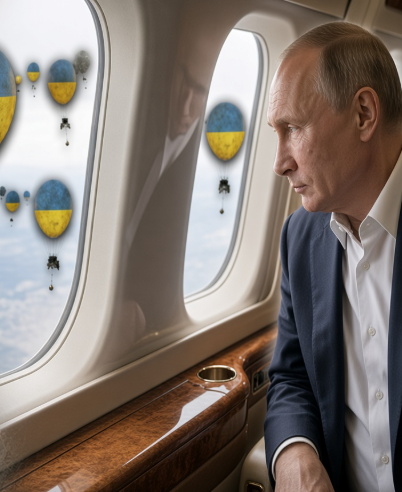
Reports of Ukrainian Decoy Balloons Raise Questions About Moscow’s Air Defenses
A reported Ukrainian operation involving low-cost balloons equipped with radar reflectors has drawn attention to the potential use of unconventional technology to disrupt Russian air defenses and aviation. According to the supplied account, the balloons are designed to create misleading radar returns, complicating efforts to distinguish genuine aerial threats from decoys.
The report claims that the operation contributed to major flight disruptions across Moscow, including the closure of four airports and the diversion of an aircraft reportedly associated with President Vladimir Putin. However, the precise causes of the airport shutdowns and the alleged diversion have not been independently established.
The analysis explores the possible advantages of inexpensive decoys. By forcing air-defense operators to investigate uncertain radar contacts, such devices could increase surveillance demands, complicate threat assessments, and potentially reveal the locations of defensive systems. The report also describes claims that high-altitude balloons could serve as platforms for carrying FPV drones toward Russian logistics targets, although the use and effectiveness of such systems require confirmation.
Russian efforts to counter the reported threat, including alleged steel-netted barriers around aerostats, are also discussed. The broader issue is how inexpensive aerial devices could challenge sophisticated defense networks through uncertainty and operational disruption.
While the reported tactics illustrate the possibilities of asymmetric warfare, claims about missile expenditure, Putin’s aircraft, and the scale of disruption should be treated cautiously until supported by reliable evidence.