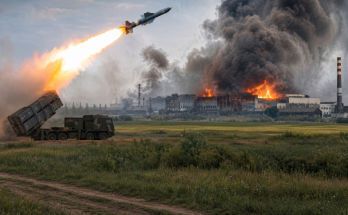
Ukrainian Drone Strike Reportedly Disrupts Russian Railway Supply Routes
Ukraine is intensifying its campaign against Russian military logistics by targeting railway infrastructure with relatively inexpensive drones. A reported strike on the Rostov–Bataysk railway bridge during the night of October 9–10 has drawn particular attention because of the route’s importance for transporting military supplies toward southern Ukraine and occupied Crimea.
According to the supplied account, the damage halted 25 military supply trains, potentially delaying deliveries of ammunition, fuel, and equipment to Russian forces. The extent of the disruption and the duration of the railway closure have not been independently confirmed.
The report also examines the challenges facing Russia’s S-400 air-defense systems when responding to slow-moving, low-altitude drones. Although these systems are designed to counter sophisticated aerial threats, detecting and intercepting small unmanned aircraft can present operational difficulties. Using expensive interceptors against inexpensive drones can also create an unfavorable cost imbalance.
The broader concern is the cumulative effect of repeated attacks on railway bridges, transport hubs, and supply networks. Disruptions to these routes could complicate Russian efforts to reinforce frontline units and maintain ammunition stocks.
Ukraine’s strategy highlights the growing role of low-cost drone warfare in targeting critical military infrastructure. However, the long-term impact will depend on the extent of confirmed damage, Russia’s ability to repair damaged railways, and the availability of alternative supply routes.