Japan’s Drone Cooperation With Ukraine Draws Warnings From Moscow
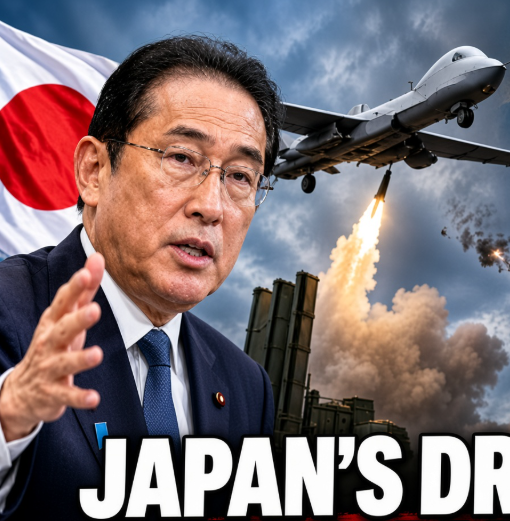
Japan’s reported cooperation with Ukraine on low-cost drone-interception technology is adding a new dimension to the countries’ growing defense relationship. The systems are intended to help Ukraine counter Russian Shahed-type attack drones, offering a potentially more economical way to defend against repeated aerial attacks.
Moscow has reportedly condemned the partnership as an “openly hostile step” and warned that it could take countermeasures. The reaction reflects Russia’s concern about Japan’s expanding involvement in Ukraine’s defense and the possible transfer of technology that could strengthen Ukrainian air defenses.
The cooperation also has implications for Japan’s own security planning. Experience gained from Ukraine’s use of inexpensive interceptor drones could inform Japan’s efforts to protect its territory and critical infrastructure against unmanned aerial threats.
These developments are particularly relevant to tensions in East Asia, including the longstanding territorial dispute over the Kuril Islands and security concerns surrounding Taiwan. The ability to detect and intercept large numbers of relatively inexpensive drones is becoming an increasingly important consideration for regional defense strategies.
The broader story illustrates how lessons from the war in Ukraine are influencing military planning far beyond Europe, while Japan’s growing defense cooperation with Kyiv adds another factor to its relationship with Moscow.