Kaliningrad Faces Growing Transport and Economic Pressure
Kaliningrad, Russia’s westernmost exclave, is becoming increasingly dependent on maritime transport as restrictions on land transit through Lithuania tighten. The supplied report says Lithuania’s state railway stopped carrying Lukoil oil shipments on November 21, 2026, after a 21-day transition period linked to US sanctions expired. In 2024, Lukoil reportedly accounted for 345,000 tons of petroleum products transported by rail into the region.
The disruption follows years of declining rail freight. The report cites a roughly 30% fall in 2024 and a further 18% decrease during the first eight months of 2026. Rising fuel prices, vehicle restrictions and a planned increase in transit tariffs could add to the pressure. Moscow has reportedly transferred 28.7 billion rubles to support the region, while maritime cargo has increased by 17% to nearly 2.7 million tons.
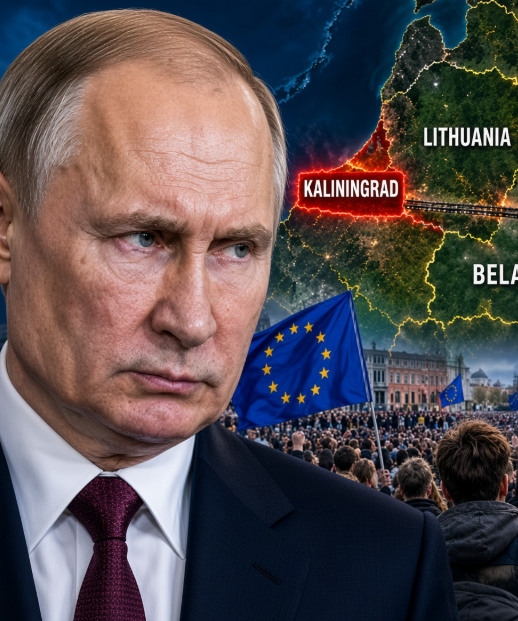
Kaliningrad’s geographic position makes these developments particularly significant. Located between NATO members Poland and Lithuania, the exclave depends on international routes for trade and connections with mainland Russia. Poland’s East Shield initiative and Lithuania’s expanded border patrols add to the changing regional security environment.
However, economic pressure does not mean Kaliningrad is preparing to leave Russia, nor does it indicate an imminent NATO attack. The central issue is whether Moscow can maintain reliable supplies and economic stability as transportation becomes more expensive and complicated.