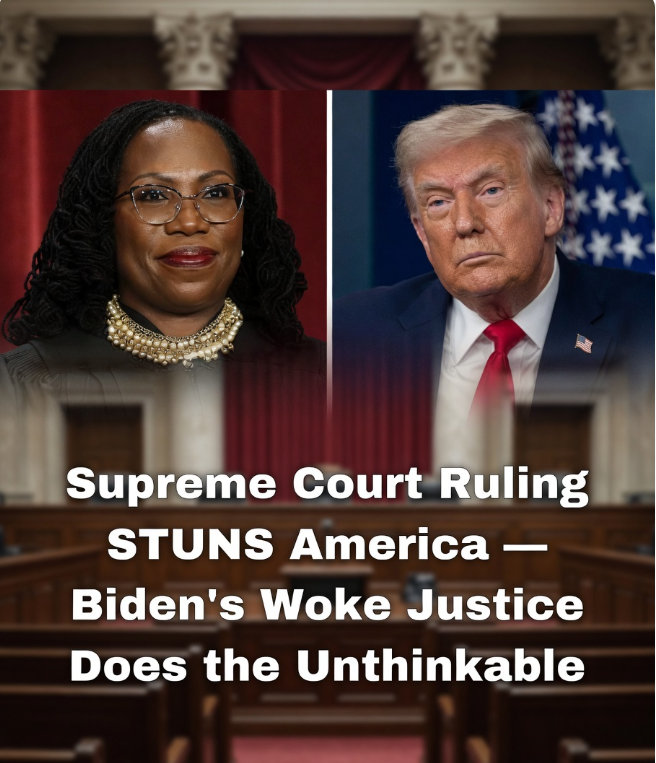
Two separate immigration-related legal disputes involving the Trump administration, both centered on deportation authority and the role of the federal courts. The first case involved Supreme Court of the United States Justice Ketanji Brown Jackson, who denied an emergency request from four Mexican nationals seeking to delay their deportation orders.
The family—Fabian Lagunas Espinoza, Maria Angelica Flores Ulloa, and their two sons—had asked the Court to block their scheduled removal so they could continue appealing their immigration case. According to their filings, they fled Guerrero in 2021 after receiving death threats from the Los Rojos cartel. They said cartel members ordered them to leave their home within 24 hours or be killed. The family also described violence against relatives and argued they faced serious danger if returned to Mexico.
Despite those claims, an immigration judge denied their request for relief. That decision was later upheld by the Board of Immigration Appeals in 2023 and then by the United States Court of Appeals for the Ninth Circuit in 2025. Justice Jackson, who handles emergency applications from that circuit, had the option to grant a temporary stay or refer the matter to the full Court. She denied the request without comment, meaning the deportation orders remained in effect.
The second matter discussed in the report involved criticism of James Boasberg by legal analyst Kerri Urbahn during an appearance on Fox News. Urbahn said Boasberg appeared frustrated after the Supreme Court removed from his court a case involving Kilmar Abrego Garcia, an El Salvador citizen who had been deported and accused of ties to the gang MS-13.
According to Urbahn, the Supreme Court determined that legal challenges in that matter should be heard in Texas rather than in Washington, D.C.. She argued Boasberg’s consideration of contempt proceedings against Trump officials seemed “desperate” after the higher court limited his role.
Together, the two cases reflect broader national disputes over immigration enforcement, deportation procedures, judicial authority, and the balance of power between courts and the executive branch under the administration of Donald Trump.