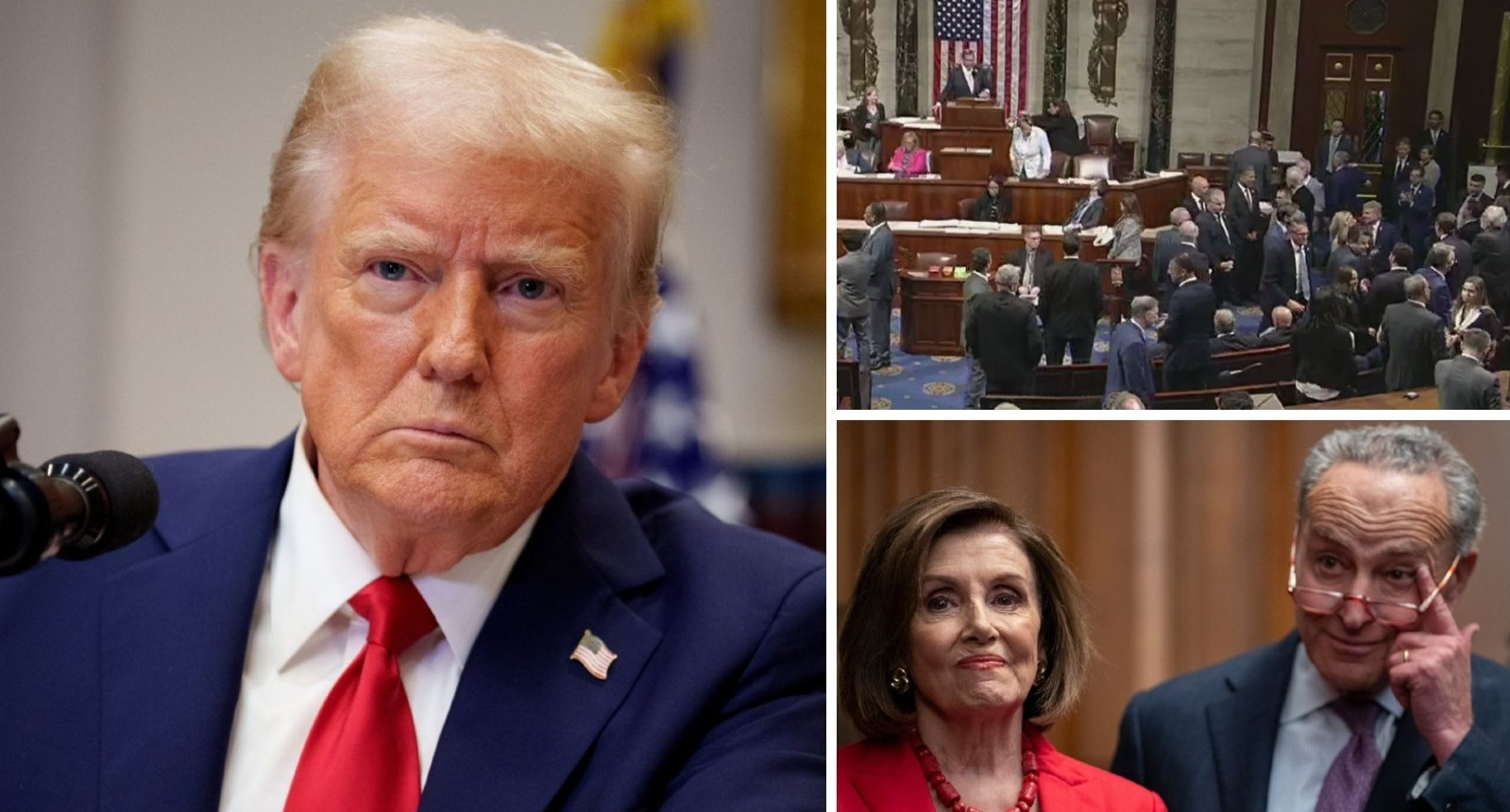
The U.S. Senate narrowly blocked an effort to limit President Donald Trump’s authority to take military action against Cuba, highlighting ongoing tensions between Congress and the White House over war powers.
In a 51–47 procedural vote, Senate Republicans prevented a Democratic-backed resolution from advancing. The measure, introduced by Tim Kaine, sought to require the president to obtain congressional approval before initiating any military action against Cuba under the framework of the War Powers Act.
Democrats argued the resolution was necessary to reassert Congress’s constitutional authority to declare war. Kaine and his allies contended that current U.S. actions—such as disrupting fuel shipments to Cuba—could already qualify as “hostilities,” and warned that without oversight, the president could escalate into a broader conflict.
Republicans rejected that argument, saying the resolution was unnecessary because the United States is not actively engaged in military conflict with Cuba. Rick Scott and other GOP lawmakers emphasized that no American troops have been deployed, making a war powers vote premature.
The vote largely followed party lines, though there were notable exceptions. John Fetterman, a Democrat, sided with Republicans to block the measure, while Republicans Susan Collins and Rand Paul joined Democrats in supporting it.
The debate reflects a broader pattern in recent months, as similar Democratic efforts to limit Trump’s military authority regarding countries like Iran and Venezuela have also failed in Congress.
The issue comes amid increasingly strong rhetoric from Trump about Cuba. He has suggested the island could be a future focus of U.S. policy following other international conflicts, framing potential action as part of a broader effort to project American strength and support political change in the region.
Ultimately, the Senate vote leaves Trump with significant flexibility to shape U.S. policy toward Cuba without immediate congressional constraints. At the same time, it underscores the continuing divide in Washington over executive power in foreign policy—and the limits of Congress’s ability to check it in practice.