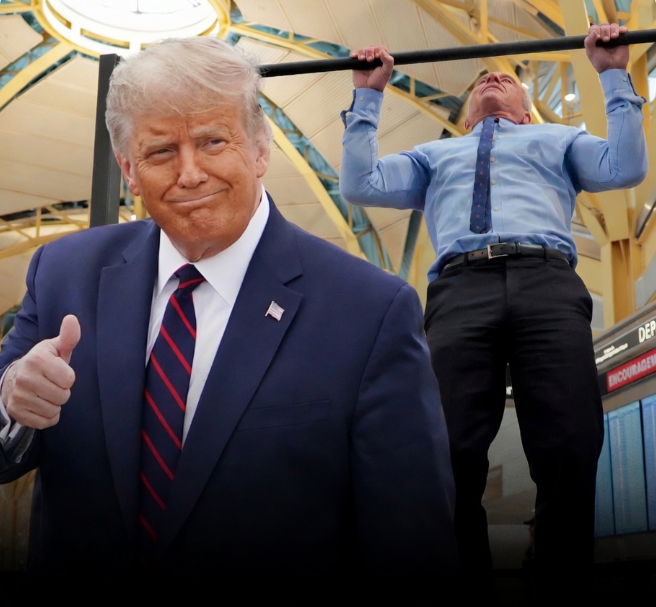
Donald Trump moving forward with plans to restore the Presidential Fitness Test Award, a school-based program that had previously been phased out during the administration of Barack Obama. The initiative is part of a broader effort to revive structured physical fitness assessments and competitive benchmarks for students across the United States.
The Presidential Fitness Test was historically used in schools to measure students’ physical abilities through standardized exercises such as running, sit-ups, push-ups, and flexibility tests. Students who performed at high levels could earn awards recognizing their athletic achievement. Supporters of the program have long argued that it encourages discipline, goal-setting, and healthier lifestyles among young people.
According to the passage, Trump had already taken steps toward reinstating the program by signing an executive order to reestablish the President’s Council on Sports, Fitness, and Nutrition. The current memorandum is described as a follow-up action designed to implement the return of both the fitness test and its associated awards in schools nationwide.
The signing event at the White House is expected to include participation from prominent athletes and members of the council, signaling an effort to promote the initiative publicly and emphasize the importance of physical health and youth fitness. The involvement of well-known sports figures may also help generate enthusiasm and visibility for the program.
The Obama administration had replaced the original test with a different approach that focused more on personal health metrics rather than competitive rankings. Critics of that change argued it reduced motivation for some students, while supporters believed it created a more inclusive and less pressure-driven environment.
The restoration of the Presidential Fitness Test reflects a shift back toward competition-based evaluation in physical education. It highlights ongoing differences in philosophy about how schools should approach student fitness—whether through individual improvement and health tracking or through standardized performance benchmarks and awards.
Overall, the move represents a renewed federal emphasis on physical fitness in schools, with the administration aiming to encourage activity, recognize achievement, and potentially address broader concerns about youth health and wellness.