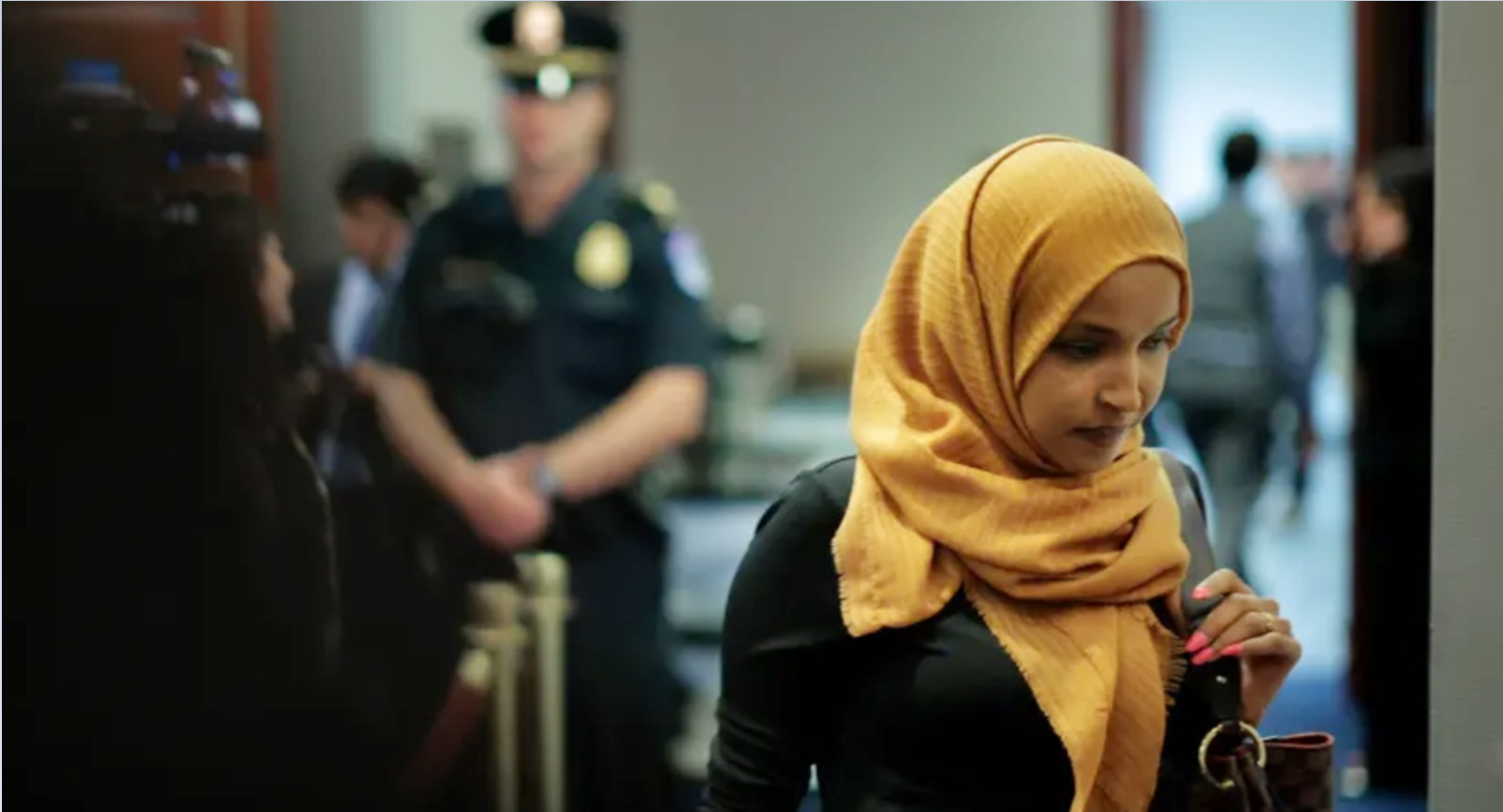
Failed effort by Minnesota Republicans to subpoena Ilhan Omar in connection with the large-scale Feeding Our Future fraud investigation.
A Minnesota House oversight committee voted 5-3 in favor of issuing a subpoena to Omar, but the measure failed because it fell one vote short of the six required under the chamber’s bipartisan rules. The subpoena would have compelled Omar to testify and provide documents related to the pandemic-era child nutrition fraud case, which federal prosecutors have described as one of the largest COVID-related fraud schemes in the United States.
Republican committee chair Kristin Robbins argued that the subpoena became necessary after Omar declined requests to voluntarily testify or provide records. Republicans focused particularly on Omar’s support for the federal MEALS Act during the COVID-19 pandemic, claiming the legislation loosened oversight requirements in school nutrition programs and may have contributed to conditions that enabled fraud.
The Feeding Our Future case involves allegations that organizers and associates fraudulently claimed reimbursements for meals supposedly provided to low-income children during the pandemic. Prosecutors allege that hundreds of millions of dollars were diverted through fake meal claims, shell organizations, and fraudulent billing practices. Dozens of individuals have been charged, including nonprofit founder Aimee Bock and several business operators connected to Minnesota’s Somali-American community.
Republicans also sought records concerning Omar’s communications with individuals linked to the investigation and her promotion of Safari Restaurant, which was later associated with the scandal. Robbins referenced Omar’s appearance on Somali-language television discussing the restaurant’s role in food distribution during the pandemic, arguing that further information from Omar could help clarify how the MEALS Act affected local operations.
Democrats on the committee strongly opposed the subpoena effort, arguing it was politically motivated. Democratic committee member Dave Pinto questioned why Republicans were pursuing the subpoena so late in the legislative session and argued there was no clear purpose for the requested testimony. He also expressed concern about the broader political climate, suggesting that investigations into political opponents could become partisan tools.
Because the vote failed, the committee cannot compel Omar’s testimony before the legislative session ends. However, Robbins indicated Republicans may seek assistance from congressional allies or federal authorities to continue pursuing information related to the case.
Overall, the episode highlights growing political tensions surrounding the Feeding Our Future investigation, broader debates over government oversight during the pandemic, and ongoing partisan disputes over accountability and corruption in federal aid programs.