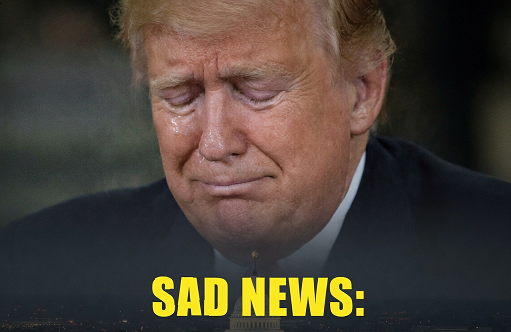
Donald Trump in an unusually quiet and reflective moment in Washington during early March 2026. Unlike the energetic rallies, confrontational press appearances, and constant media attention that have long defined Trump’s public image, this scene is described as calm, subdued, and deeply symbolic. According to the article, Trump spent roughly thirty minutes in relative stillness without delivering speeches, engaging crowds, or dominating headlines. Observers interpreted the moment as meaningful because it appeared to reveal a more reflective side of a political figure typically associated with relentless motion and confidence.
The article argues that this silence itself carried significance. Without the familiar spectacle surrounding him, Trump allegedly appeared more aware of the lasting consequences of his political decisions and the reality that his actions now belong to the historical record rather than ongoing political combat. The absence of rallies, dramatic statements, or combative rhetoric allowed observers to focus less on performance and more on legacy.
A central theme of the piece is that leadership is often defined not only by moments of power, but also by what happens after power fades. It suggests that quiet transitions can reveal truths that louder political battles often obscure. The article frames Trump’s pause as part of a broader historical pattern in which former leaders eventually confront the enduring impact of their presidencies, whether through public judgment, legal scrutiny, institutional changes, or historical interpretation.
The article emphasizes that Trump’s presidency reshaped American politics in lasting ways, particularly through changes in political language, party identity, civic trust, and polarization. According to the narrative, these effects continue long after formal political authority diminishes. The stillness in Washington is therefore presented not as emptiness, but as a symbolic acknowledgment that influence and accountability outlive office itself.
Another important point in the piece is the changing atmosphere surrounding Trump in Washington. The city’s government operations continued normally, but the article suggests that the intense political gravity that once followed him everywhere had weakened. This quieter environment symbolized a transition from active dominance to historical evaluation. Rather than a dramatic downfall or triumphant finale, the article describes a slow settling of political legacy into public memory.
Ultimately, the piece argues that history is shaped as much by subtle turning points as by dramatic events. It invites readers to reflect on how leaders are remembered once the spotlight fades and public attention shifts from immediate battles to long-term consequences. In Trump’s case, the article suggests that his legacy will continue to be debated for decades, not only because of policies and elections, but because of the cultural and institutional changes associated with his presidency.