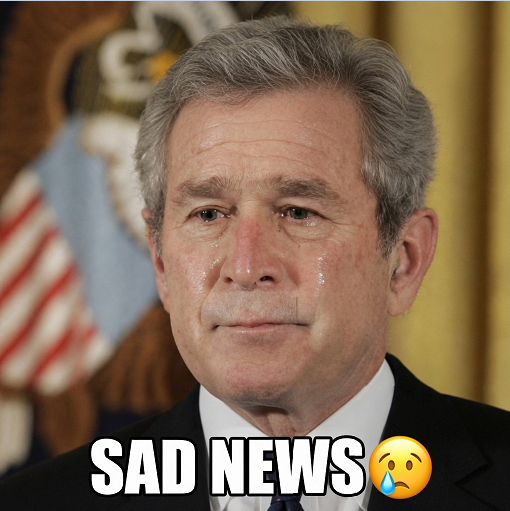
Reactions from former presidents George W. Bush and Barack Obama, along with Bono, following the closure of United States Agency for International Development (USAID) under the Trump administration. According to the article, the three public figures addressed USAID employees through a videoconference event after the agency was officially absorbed into the United States Department of State.
Obama criticized the shutdown, describing it as both a “travesty” and “a colossal mistake.” He praised USAID employees for carrying out important humanitarian and development work worldwide and predicted that future leaders from both political parties would eventually recognize the value of the agency’s mission. Obama framed USAID as a key instrument of American global influence and humanitarian outreach.
Bush, who has generally avoided publicly criticizing Donald Trump, focused his remarks on the impact the closure could have on global health initiatives. He specifically referenced the President’s Emergency Plan for AIDS Relief (PEPFAR), a major HIV/AIDS relief program launched during his presidency that is credited with saving millions of lives. Bush argued that such humanitarian efforts also served American national interests by strengthening global stability and goodwill.
Bono delivered emotional remarks and read a poem honoring USAID workers, defending them against accusations of corruption or inefficiency. He claimed that ending the agency’s operations could result in widespread suffering and criticized rhetoric portraying USAID staff negatively.
The article explains that USAID became a major target of the Trump administration’s government restructuring and cost-cutting efforts led by the Department of Government Efficiency, commonly referred to as DOGE. The agency was accused by administration officials and allies of wasteful spending, ideological bias, and operating as an unaccountable bureaucracy. Former DOGE leader Elon Musk was quoted as sharply criticizing USAID earlier in the year.
Marco Rubio announced that foreign assistance programs aligned with administration priorities would continue under State Department management. Rubio argued that USAID had become inefficient and disconnected from U.S. national interests, saying the restructuring would improve accountability, strategy, and effectiveness in foreign aid programs.
The article also highlights Trump’s repeated praise for DOGE and his criticism of USAID spending programs, particularly those involving diversity, equity, inclusion, LGBTQ initiatives, and international development grants. Trump argued these expenditures represented examples of government waste that justified restructuring the agency.
Overall, the piece portrays USAID’s closure as both a major political and ideological battle over America’s role in global aid and a symbolic clash between competing visions of government efficiency, humanitarian outreach, and national priorities.