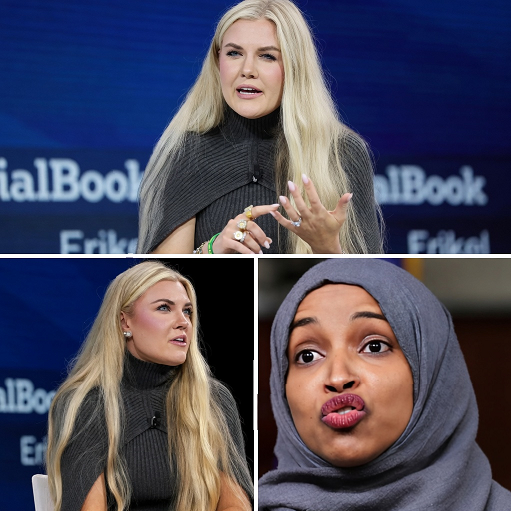
Ilhan Omar became the center of controversy after conservative commentator Erika Kirk allegedly delivered a fiery speech criticizing immigration, progressive politics, and what she described as growing hostility toward traditional American values. Her remarks, particularly the phrase “Start with Ilhan Omar,” sparked immediate backlash online and across political media. Critics accused her of xenophobia and targeting Omar because she is a naturalized citizen and Muslim immigrant, while supporters defended the comments as a blunt expression of concerns many conservatives feel are ignored in mainstream discourse.
The controversy also highlighted a broader transformation taking place within the American conservative movement. Increasingly, outspoken women are emerging as some of the movement’s most influential public figures, using podcasts, social media, livestreams, and grassroots events to shape political and cultural conversations. Unlike earlier eras dominated by traditional party elites and establishment strategists, modern conservatism is now heavily driven by personality-based media platforms and online audiences.
One of the central figures described in the article is Erika Kirk, who reportedly rose to national prominence following the death of Charlie Kirk. According to the narrative, Erika transformed from a behind-the-scenes figure into a leading conservative commentator and activist. She allegedly combined faith-based messaging with aggressive political commentary, rapidly building a large following online while promoting themes centered on patriotism, Christianity, family values, and cultural identity.
The article portrays Erika as representing a new generation of conservative activism that seeks not only political victories but also cultural influence. Her planned “All-American Halftime Show,” described as a faith-driven alternative to mainstream entertainment, symbolized what supporters view as an effort to reclaim American culture from progressive influence. Through speeches, livestreams, and public appearances, she framed conservatism as a movement no longer content with merely responding to cultural change but determined to shape culture directly.
The piece also highlighted the continued influence of Candace Owens, who remains one of the most recognizable voices in conservative media. Owens is depicted as a confrontational and provocative commentator whose influence extends beyond politics into culture and consumer behavior. Through podcasts, books, and media ventures, she frequently challenges progressive narratives on race, gender, and family while encouraging conservatives to reject political correctness. Her supporters admire her willingness to speak bluntly and challenge mainstream institutions, while critics accuse her of deepening political polarization.
Another major figure discussed is Allie Beth Stuckey, who represents a more theological and intellectually focused branch of conservative activism. Stuckey’s platform combines Christian theology with commentary on politics and culture, particularly issues involving abortion, gender identity, education, and religion. Her influence is especially strong among younger evangelical women and Christian families seeking guidance on navigating social and political change from a faith-based perspective.
The article also profiles Megan Basham, a former entertainment journalist who transitioned into conservative media criticism. Basham focuses heavily on Hollywood, corporate culture, and media messaging, arguing that entertainment companies shape public values through storytelling and ideological influence. She positions herself as a whistleblower exposing what conservatives view as progressive agendas within major cultural institutions.
Overall, the article presents these women as part of a rapidly expanding conservative media ecosystem that blends politics, religion, entertainment, and activism. Supporters see them as fearless defenders of traditional American values and free expression. Critics argue that some of their rhetoric contributes to division, culture-war conflict, and hostility toward immigrants or political opponents.
At its core, the piece reflects the growing importance of cultural identity in modern American politics. Rather than focusing only on legislation or elections, many conservative influencers now frame political conflict as a broader struggle over faith, family, national identity, and the future direction of American society.