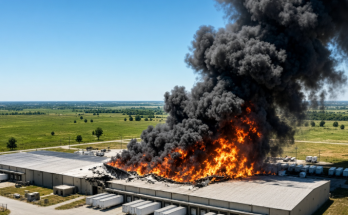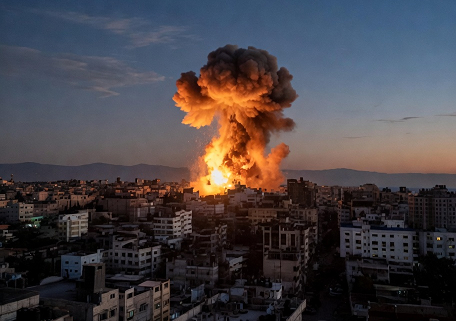
In a devastating incident that has shaken the region, a sudden barrage of rocket strikes hit multiple buildings and critical infrastructure in rapid succession. Residents reported hearing multiple loud blasts within seconds of each other, triggering widespread fires that quickly spread across several city blocks. The intense attack transformed the area into a scene of chaos and panic, forcing hundreds of civilians to flee their homes in search of safety.
Emergency responders demonstrated exceptional courage by rushing toward the impact zones to begin life-saving operations. Firefighters and specialized search-and-rescue teams are currently combing through rubble in search of survivors, using heavy machinery and detection equipment amid the danger of unstable structures and potential secondary collapses. Early official assessments indicate severe damage to residential buildings and public facilities, with many structures compromised.
Local authorities have confirmed several fatalities, while the number of injured remains high. Hospitals are overwhelmed with patients suffering from blast injuries, severe burns, and trauma caused by collapsing buildings. Medical teams are working around the clock under extreme pressure, prioritizing critical cases while urgently requesting additional supplies and personnel. Nearby districts have been placed on high alert to handle the overflow of casualties.
Witnesses described the terrifying moments when the strikes began. Many heard a distinctive whistling sound followed immediately by powerful explosions that shattered windows and shook buildings. With little time to react, families desperately tried to gather loved ones as thick smoke and debris filled the streets. The psychological toll on survivors is expected to be significant, with many still in a state of deep distress.
In response, authorities have strongly urged civilians to remain in designated protective shelters and avoid moving through affected areas due to risks from unexploded ordnance and unstable debris. Emergency management teams are using radio broadcasts, social media, and other channels to deliver safety instructions and coordinate response efforts. Rescue operations remain the top priority, though logistical challenges—including roads blocked by debris—are slowing the movement of ambulances and firefighting units.
The international community has reacted with deep concern. Humanitarian organizations are monitoring the situation closely and assessing needs for medical supplies, food, temporary shelter, and psychological support. There have been widespread calls for restraint and adherence to international standards protecting civilians.
Despite the tragedy, inspiring acts of community solidarity have emerged. Local volunteers and neighbors are providing water, blankets, and shelter to displaced residents. Crisis counselors and psychologists are being deployed, with special attention given to children and the elderly who are particularly vulnerable to the emotional impact.
As recovery efforts continue, investigators will begin thorough assessments of the strike sites to determine the sequence of events and the type of weaponry used. Officials have pledged to provide regular verified updates to the public to combat misinformation. The situation remains fluid, and authorities warn that the casualty count may rise as more areas are accessed.
This incident has placed an enormous burden on local resources and emergency services. While the full extent of the destruction is still being evaluated, the immediate focus remains on saving lives, treating the injured, and ensuring public safety. The resilience shown by both emergency workers and the local community offers a glimmer of hope amid the devastation, as the region begins the long process of recovery and healing.