Surrounding the health of former President Donald Trump demonstrated how quickly unverified claims can spread in today’s digital media environment. The controversy began after changes were made to Trump’s public schedule, prompting widespread discussion across social media platforms and online forums. Although no official evidence supported the more dramatic rumors being circulated, the story rapidly gained momentum and became a major topic of online conversation.
The speculation centered on claims that Trump had allegedly been admitted to Walter Reed National Military Medical Center. Posts discussing the supposed hospitalization spread quickly across platforms such as X, Facebook, and various online communities. Many of these claims were shared without evidence or confirmation, yet they reached large audiences within hours. As the discussion intensified, some users began presenting the rumors as fact, increasing confusion and concern among supporters, critics, and political observers.
The initial trigger for the speculation appeared to be the cancellation or adjustment of several planned appearances on April 4. Because Trump is known for maintaining a highly visible and active public schedule, the sudden changes immediately attracted attention. Public figures with consistent routines often face intense scrutiny, and even small deviations can lead to widespread questions about the reasons behind them.
In the absence of immediate clarification, social media users began filling the information gap with assumptions and theories. This situation illustrated a common pattern in the digital age: when information is incomplete, speculation often spreads faster than verified facts. Social media algorithms, which tend to prioritize emotionally engaging or highly discussed content, further amplified the rumors. Posts suggesting a serious medical emergency generated strong reactions, causing them to spread even more widely.
The rapid circulation of the claims highlighted the growing challenge of misinformation online. Similar incidents involving public figures have occurred many times in recent years, where rumors gain traction before authorities or reputable news organizations can verify the facts. Once false or misleading information spreads broadly, correcting public perception can become difficult even after official statements are released.
As concern increased, official representatives responded publicly to address the situation. According to statements from Trump’s team and other officials, reports suggesting hospitalization at Walter Reed were inaccurate. Authorities emphasized that there had been no medical emergency and that Trump remained at his residence while continuing to carry out his usual activities and responsibilities.
The official clarification was intended to calm speculation and counter the misinformation circulating online. By directly denying the rumors and reassuring the public, representatives attempted to restore clarity to the rapidly evolving discussion. The statements also reinforced the importance of relying on verified sources rather than unconfirmed online posts.
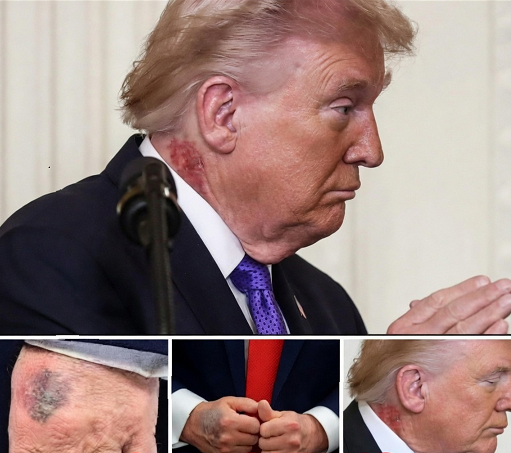
Public interest in Trump’s health has remained high for years due to his status as a former president and prominent political figure. Previous medical updates, including disclosures about his diagnosis of chronic venous insufficiency, have contributed to ongoing public curiosity. Chronic venous insufficiency is a condition involving reduced blood flow in the veins, particularly in the legs, and is considered relatively common among older adults. Medical professionals generally view it as manageable through routine care, monitoring, and lifestyle adjustments. Officials stressed that there was no indication the condition had any connection to the recent rumors.
Public reactions to the situation varied considerably. Some individuals expressed genuine concern and called for compassion, while others viewed the claims skeptically and urged caution before accepting them as true. Fact-checking organizations and established news outlets played an important role by verifying available information and encouraging audiences to wait for official confirmation before drawing conclusions.
The episode also underscored the broader issue of media literacy in the digital age. With information moving faster than ever before, distinguishing between reliable reporting and unsupported speculation has become increasingly important. Health-related claims are especially sensitive because misinformation can create unnecessary fear, confusion, and political tension.
Traditional media organizations also faced pressure to balance speed with accuracy. Many reputable news outlets chose to avoid reporting the rumors until official statements became available, reflecting an effort to maintain responsible journalistic standards. This approach helped reinforce the importance of verification and transparency in maintaining public trust.
Several lessons emerged from the incident. First, the speed of modern communication allows rumors to spread rapidly, particularly when they involve well-known public figures. Second, official clarification remains critical in reducing confusion and restoring accurate understanding. Third, the situation demonstrated how closely the public monitors visible political leaders and how even minor schedule changes can spark widespread speculation.
Ultimately, officials confirmed there was no evidence supporting claims that Trump had been hospitalized. The situation appeared to be fueled primarily by online speculation rather than verified facts. As the discussion gradually subsided, the incident served as another reminder of the challenges posed by digital misinformation and the importance of critical thinking, responsible reporting, and reliance on credible sources when evaluating rapidly spreading claims online.