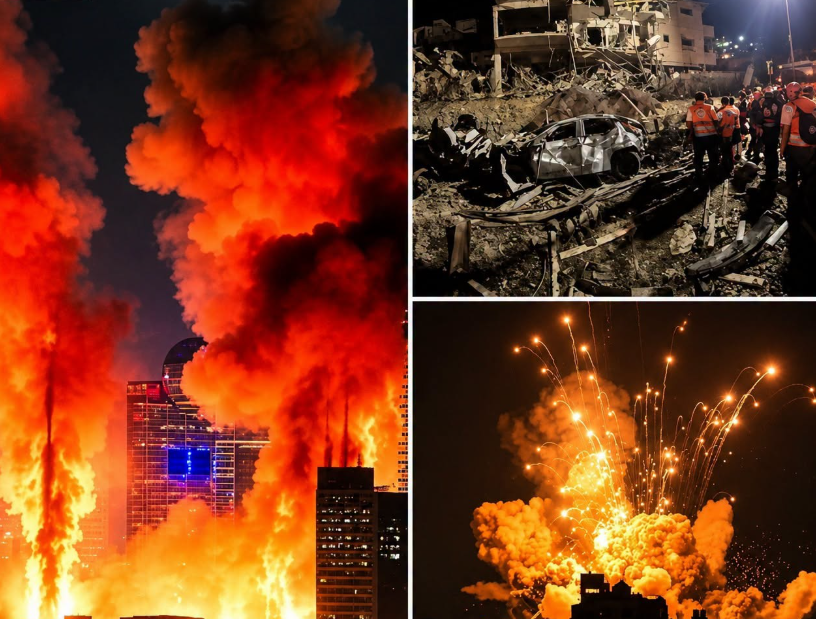
A devastating hillside fire has left a struggling community facing enormous destruction and uncertainty as residents begin the difficult process of recovery. Dozens of families lost their homes in the blaze, leaving many without shelter, possessions, or financial security. Emergency responders and relief organizations quickly stepped in to provide temporary shelters, food assistance, medical aid, and other immediate necessities, but the long-term challenges facing the district remain significant.
For many residents, the crisis extends far beyond the destruction caused by the flames themselves. Families who were already living in vulnerable conditions are now confronting the loss of stability, income, and community resources. The disaster has highlighted deep social and economic inequalities that made the area especially susceptible to severe damage. Limited infrastructure, overcrowded housing, and inadequate access to services increased the risks residents faced even before the fire began.
Officials and aid groups emphasize that recovery will require sustained support over an extended period rather than only short-term emergency relief. Rebuilding homes and restoring basic services will take time, funding, and careful planning. There is growing recognition that reconstruction efforts must focus not only on replacing what was lost but also on creating safer and more resilient living conditions for the future.
Among the priorities being discussed are the use of safer and more durable building materials, improved access to utilities and emergency services, and stronger oversight of high-risk areas prone to fires or other natural disasters. Many observers argue that the tragedy exposed long-standing weaknesses in urban planning and social support systems that left entire communities vulnerable whenever emergencies occurred.
At the same time, the disaster has also revealed remarkable resilience within the affected community. Local organizations, volunteers, neighbors, and community leaders have mobilized quickly to provide food, clothing, emotional support, and practical assistance to displaced families. Grassroots efforts have played a vital role in helping residents cope with the immediate aftermath of the fire and maintain a sense of solidarity during a painful period.
Supporters believe that if public institutions, private organizations, and local communities continue working together, the recovery process could become an opportunity for meaningful long-term improvement. Investments in stronger infrastructure, better planning, and more inclusive policies could help reduce future risks and improve living conditions for vulnerable residents.
Ultimately, the fire serves as both a humanitarian crisis and a warning about the consequences of neglecting communities already living on the edge of insecurity. While the damage has been devastating, many hope the lessons learned from this tragedy will lead to lasting reforms that provide greater safety, stability, and dignity for the people rebuilding their lives.