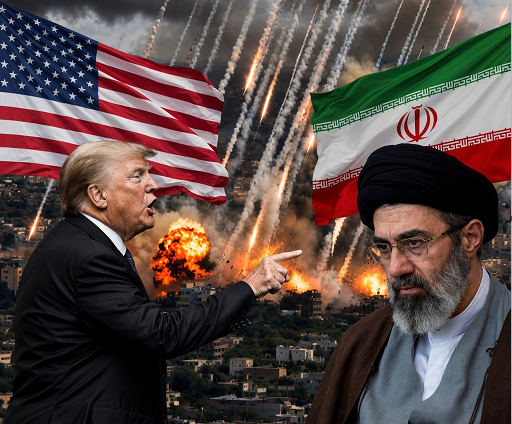
The devastating aftermath of a large-scale rocket attack that caused widespread destruction, panic, and humanitarian concern across several neighborhoods. Witnesses reported hearing multiple explosions within seconds as rockets struck residential buildings, streets, and surrounding infrastructure. Fires rapidly spread through damaged areas, filling the sky with smoke and forcing residents to flee their homes while emergency responders rushed toward the impacted zones to rescue survivors trapped beneath rubble.
Hospitals across the region quickly became overwhelmed as doctors and medical teams treated large numbers of victims suffering from burns, blast injuries, smoke inhalation, and trauma caused by collapsing structures. Emergency crews, including firefighters, paramedics, and search-and-rescue units, worked continuously under dangerous conditions to locate survivors and control spreading fires. Early reports suggested that numerous residential buildings and public facilities sustained severe damage, though officials warned that the full scale of destruction remained unclear while assessments continued.
Residents described terrifying scenes during the attack, recalling moments of confusion, fear, and desperation. Many said they heard high-pitched whistling sounds moments before explosions shook buildings, shattered windows, and filled streets with smoke and debris. Witnesses described crowds running through roads and alleyways as people attempted to escape the danger or locate missing relatives. Some families sought shelter in basements, underground shelters, or reinforced buildings, while others became trapped inside damaged homes, uncertain whether remaining inside or fleeing outside was safer.
Emergency responders faced major obstacles while attempting to reach the hardest-hit locations. Damaged roads, scattered debris, and unstable structures slowed ambulances and firefighting vehicles, making rescue operations more difficult. Despite these challenges, rescue teams continued searching collapsed buildings for survivors while transporting the injured to hospitals placed on emergency alert. Authorities warned that casualty numbers could rise significantly as additional affected areas became accessible and more information emerged.
Government officials repeatedly urged civilians to remain indoors or inside designated shelters due to ongoing risks. Public warnings were distributed through radio broadcasts, emergency announcements, and social media platforms, advising residents not to approach damaged sites because of the danger posed by structural collapse, fires, or unexploded ordnance. Emergency coordination centers worked to gather verified information from multiple agencies in order to organize rescue efforts and better understand the scope of the attack.
The passage also highlights the growing humanitarian response. International observers and aid organizations closely monitored the crisis while expressing concern for civilian safety and calling for restraint from all parties involved. Humanitarian agencies began evaluating the need for emergency assistance, including medical supplies, temporary shelter, food, clean water, and psychological support for traumatized residents.
Community solidarity also emerged amid the destruction. Local volunteers and neighborhood leaders distributed blankets, water, and essential supplies to displaced families. In several areas, residents opened their homes to neighbors seeking temporary refuge. Mental health professionals and crisis counselors were expected to assist vulnerable populations, particularly children and elderly residents struggling with fear, grief, and emotional shock.
Meanwhile, investigators and officials prepared to examine impact sites to determine the origin of the strikes and reconstruct the sequence of events that led to the attack. Authorities emphasized that rescue operations and humanitarian priorities remained the immediate focus while promising to continue informing the public as verified information became available.
Overall, the passage portrays a city facing immense destruction and uncertainty while emergency workers, medical personnel, volunteers, and humanitarian organizations mobilize to protect lives and assist affected communities. The situation remains highly unstable, with both local residents and the international community anxiously watching developments and hoping for de-escalation, safety, and relief for those caught in the violence.