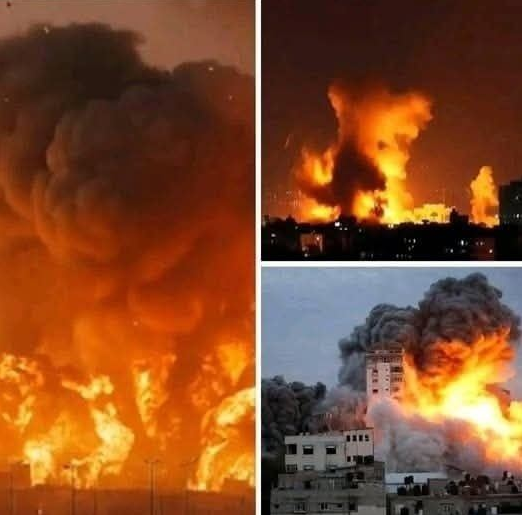
A devastating fire tore through the Pamplona Alta neighborhood in the district of San Juan de Miraflores in southern Lima on Saturday afternoon, leaving widespread destruction and hundreds of families homeless within a matter of hours. The blaze rapidly consumed the densely packed hillside community, where many homes are constructed from highly flammable materials such as wood, plywood, and plastic sheeting. Fueled by strong afternoon winds and difficult terrain, the fire spread quickly from one structure to another, overwhelming residents and emergency crews during the early stages of the disaster.
Thick black smoke rose high above the district as frightened residents rushed to escape, carrying whatever belongings they could save. Witnesses described scenes of panic and confusion as flames engulfed homes at alarming speed. Many initially attempted to fight the fire themselves using buckets of water and improvised methods, but the intensity of the blaze soon made those efforts impossible. Families fled through narrow hillside pathways while firefighters, police officers, and civil defense teams struggled to reach affected areas due to steep terrain and overcrowded construction.
By early evening, firefighters confirmed that the blaze had finally been brought under control after hours of intense work. Emergency crews from across Lima were deployed to assist in containment efforts, with sirens echoing through surrounding streets throughout the day. Preliminary estimates from local authorities suggested that at least 300 homes had been damaged or completely destroyed, though officials warned that the final number could rise as assessments continue. Entire sections of the neighborhood were left in ruins, with charred debris, twisted metal, and collapsed structures covering the hillside.
Authorities revealed that investigators suspect the fire may have originated in or spread through a clandestine pyrotechnics workshop operating illegally inside the neighborhood. Witnesses reported hearing repeated explosions and seeing sudden bursts of flames as the fire advanced, consistent with fireworks or explosive materials igniting. Videos shared on social media appeared to capture some of these explosions, adding to the chaos and fear among residents attempting to evacuate. Officials believe the suspected illegal fireworks operation may have significantly intensified the disaster, though the exact cause of the blaze has not yet been formally confirmed.
Investigators have launched a full inquiry into the incident, examining whether negligence, illegal activity, faulty wiring, or unsafe electrical connections played a role. Portions of the affected neighborhood have been sealed off so forensic teams can safely examine the debris and determine how the fire started and why it spread so rapidly. Urban safety experts noted that informal settlements like Pamplona Alta often face heightened fire risks because homes are built close together with little regulation or infrastructure to prevent disasters.
As night fell, the human toll of the catastrophe became increasingly clear. Hundreds of families were suddenly left without shelter, forcing many to sleep outdoors or seek refuge with relatives, neighbors, or temporary emergency shelters established by local authorities. Aid workers distributed blankets, water, food, and other basic necessities, but officials acknowledged that the scale of the disaster has created overwhelming humanitarian needs.
Municipal officials from San Juan de Miraflores stated that emergency housing arrangements are being coordinated with regional and national authorities. Schools, community centers, and public buildings are being prepared to accommodate displaced residents while social workers identify vulnerable individuals, including children, elderly residents, and people with disabilities who require immediate assistance.
Despite the massive destruction, authorities confirmed that no fatalities had been reported as of Sunday. Several residents suffered smoke inhalation and minor injuries, while some firefighters were treated for exhaustion after battling the blaze under extremely difficult conditions for hours. Residents also described desperate attempts to prevent further explosions by disconnecting gas tanks as flames spread through the neighborhood.
The disaster has once again highlighted the dangers facing residents of Lima’s informal settlements, where poverty, overcrowding, and lack of regulated housing leave communities highly vulnerable to fires and other emergencies. Experts have long warned that illegal electrical connections, clandestine workshops, and unsafe construction practices dramatically increase the risk of large-scale disasters in these areas.
On Sunday morning, devastated families returned to the ruins of their homes searching for anything salvageable among the ashes. The smell of smoke still hung heavily over the hillside as humanitarian groups and local charities began organizing donation drives for food, clothing, and emergency supplies. Meanwhile, firefighters continued monitoring hotspots to prevent flare-ups, while engineers inspected damaged structures to determine which areas remain unsafe. Although the flames have been extinguished, authorities warned that recovery and rebuilding efforts for the affected community will likely take months or even years.