President Donald Trump’s announcement of a “very successful attack” completely destroying three Iranian nuclear sites—Fordo, Natanz, and Isfahan—has triggered a wave of polarizing reactions across the international community.
The United States and Allies
-
The Trump Administration: Characterizing the operation as a historic moment of “peace through strength,” President Trump declared that the destruction of Iran’s nuclear enrichment capacity should force Tehran to negotiate an end to hostilities.
-
Israel: Prime Minister Benjamin Netanyahu strongly praised the “bold decision,” stating that the joint U.S.-Israeli effort acted with unparalleled strength and would permanently alter history.
-
The United Kingdom and Australia: Leaders such as U.K. Prime Minister Keir Starmer emphasized the volatile state of the region, noting that regional stability remains a primary goal. While recognizing the threat of Iran’s nuclear ambitions, they, alongside an Australian government spokesperson, actively called for a return to diplomacy and immediate de-escalation.
Condemnation and Resentment
-
Iran: Foreign Minister Abbas Araghchi fiercely condemned the strikes as lawless criminal behavior and a grave violation of the UN Charter. Asserting that the installations were peaceful, he declared that Iran reserves all options for response under the provision of self-defense.
-
China and Russia: China strongly condemned the strikes, stating they worsen Middle East tensions and directly violate international law. Meanwhile, Russian senior security official Dmitry Medvedev mocked Trump’s prior Nobel Peace Prize nomination, writing that the “peacemaker president” had instead initiated a brand new war.
-
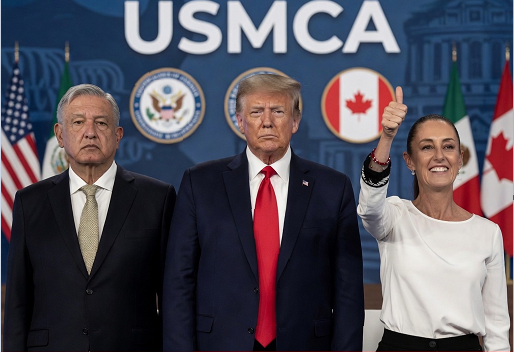
Latin America: The governments of Cuba, Venezuela, and Mexico issued harsh statements. Cuba and Venezuela categorically condemned the military aggression as a dangerous escalation, while Mexico urged a return to its core foreign policy principles of pacifism and diplomatic dialogue.
Calls for Restraint and Humanitarian Concern
-
The United Nations and European Union: UN Secretary-General António Guterres warned of a catastrophic, uncontrollable spiral of chaos impacting global security and civilians, firmly restating that there is no military solution. EU Chief Diplomat Kaja Kallas echoed these concerns, urging all sides to step back and return to the negotiating table.
-
Regional Dynamics: Middle Eastern nations directly impacted by Iranian-backed factions expressed deep worry. Lebanon’s presidency warned of widespread regional destabilization, while Yemen’s Houthi militant group condemned the “blatant aggression.” Saudi Arabia, despite its alignment with the U.S., noted it is following the developments regarding its neighbor with great concern.
-
The Vatican: Pope Leo appealed heavily to the global community’s moral responsibility to avert an irreparable abyss, emphasizing that no armed victory can compensate for the stolen future of children and the immense pain of war.