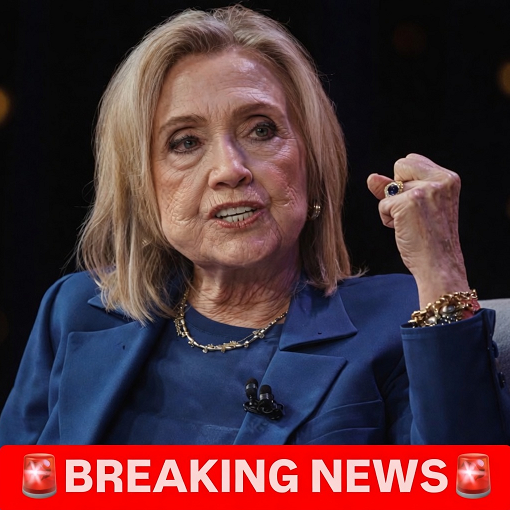
Former Secretary of State Hillary Clinton criticized President Donald Trump and warned that the United States is in a weakened position regarding Iran after recent diplomatic negotiations collapsed. Speaking during a media interview Monday, Clinton argued that presidential rhetoric carries serious consequences both domestically and internationally, stressing that American leaders must be held accountable not only for their actions but also for their public statements.
Clinton described some of Trump’s recent comments and conduct as “disgraceful,” saying they risk damaging America’s credibility and weakening trust in U.S. leadership around the world. She emphasized that accountability extends beyond legal matters and includes maintaining standards of leadership, responsibility, and respect for democratic institutions. According to Clinton, the tone and language used by presidents can shape international relationships and influence how allies and adversaries respond to the United States.
Her remarks came amid rising tensions between Washington and Tehran following the breakdown of negotiations aimed at addressing Iran’s nuclear program. Talks reportedly ended without an agreement after Vice President JD Vance returned from discussions in Pakistan empty-handed. Clinton argued that the failed diplomacy has left the United States at a disadvantage, claiming the country has “lost leverage and initiative” in dealing with Iran.
The Trump administration has since intensified pressure on Tehran by ordering a U.S. naval blockade around Iranian ports near the Strait of Hormuz, a strategically vital shipping route for global energy supplies. U.S. Central Command warned that unauthorized vessels entering the restricted zone could face interception or seizure, signaling a major escalation in military and economic pressure.
Clinton offered a mixed assessment of Trump’s handling of the crisis. She said she supported a limited U.S. strike earlier in the year targeting Iranian nuclear facilities, describing it as an appropriate and focused response. However, she criticized later actions by the administration as inconsistent and lacking a coherent long-term strategy. Clinton argued that future diplomacy should involve experienced experts with deep knowledge of nuclear policy and international negotiations.
She also referenced past disagreements with Israeli Prime Minister Benjamin Netanyahu over Iran policy, saying U.S. leaders have historically resisted military actions that lacked a clear objective or defined end state.
The White House responded aggressively, defending Trump’s policies while criticizing Clinton’s foreign policy record, particularly her support for the Obama-era Iran nuclear agreement. Administration officials argued that Trump’s approach is aimed at restoring deterrence and countering threats they believe worsened under previous administrations.