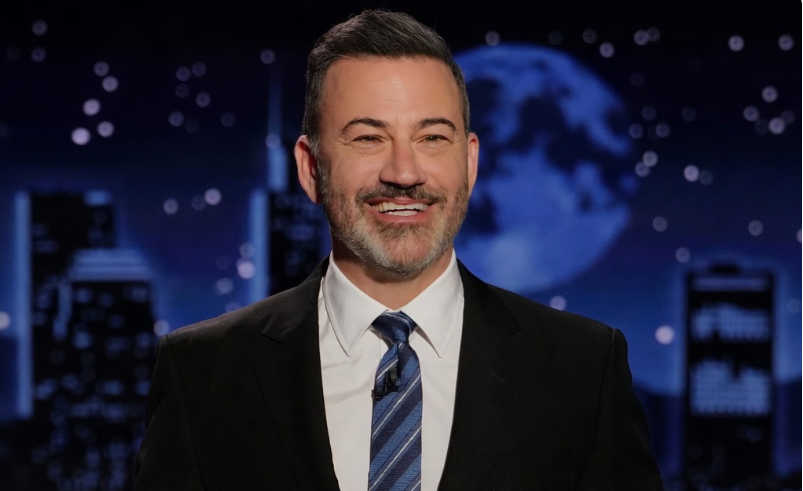
Jimmy Kimmel responded publicly after criticism erupted over a joke he made about Melania Trump shortly before a shooting incident disrupted the White House Correspondents’ Dinner. The controversy intensified national debate over political rhetoric, satire, and the increasingly blurred line between comedy and perceived incitement in modern American politics.
The original joke aired during a comedy segment on April 23, when Kimmel referred to Melania Trump having “a glow like an expectant widow” while mocking the relationship between her and Donald Trump. After the April 25 shooting incident near the White House Correspondents’ Dinner — described by some reports as a possible third assassination attempt targeting Trump — critics accused Kimmel of contributing to a culture of hostility and violent rhetoric.
Melania Trump condemned the remarks on social media, calling them hateful and divisive. Donald Trump also attacked Kimmel publicly, arguing that the joke crossed a moral line given the political climate and recent violence. Their criticism reflected broader concerns from supporters who believed comedic attacks against political figures can fuel dangerous tensions.
During a monologue on “Jimmy Kimmel Live!,” Kimmel defended himself by insisting the joke was never intended to encourage violence. He explained that the comment was meant as a satirical observation about the age difference between Donald and Melania Trump, not a reference to assassination or physical harm. Kimmel emphasized that he has consistently spoken out against gun violence and rejected accusations that comedy should be blamed for violent acts committed by others.
At the same time, Kimmel criticized Trump’s own rhetoric, arguing that the former president has normalized harsh language, public insults, and divisive political discourse on a much larger scale than late-night television satire ever could. He framed the controversy as part of a wider national breakdown in how Americans interpret humor, criticism, and political speech.
Despite defending his joke, Kimmel also expressed sympathy for those affected by the shooting scare, acknowledging that the event was frightening and traumatic even though no fatalities occurred. He stated that political violence should not be normalized and called for greater unity and restraint in public discourse.
The controversy ultimately highlighted a growing cultural tension in the United States: the difficulty of separating satire from hostility in an era where political rhetoric is constantly amplified online and emotional reactions spread instantly. The debate surrounding Kimmel’s comments reflects broader anxieties about free speech, accountability, media influence, and the role public figures play in shaping an increasingly polarized national climate.