Large-scale Israeli military campaign against Iran, presented as the culmination of decades of Israeli efforts to prevent Iran from acquiring nuclear weapons. According to the account, Israeli leaders viewed a nuclear-capable Iran as an existential threat and had long relied on diplomacy, intelligence operations, cyber activities, and targeted actions to slow Tehran’s nuclear progress. By late 2025, Israeli intelligence reportedly concluded that Iran was approaching a nuclear threshold that would become increasingly difficult to stop. At the same time, internal unrest and government crackdowns in Iran were seen as creating a strategic opportunity for action.
The report states that planning for the offensive culminated in a coordinated operation launched on February 28, following intelligence about a high-level Iranian leadership meeting. Israeli and U.S. forces allegedly conducted synchronized strikes against missile sites, air-defense systems, command centers, and leadership compounds across northern Iran. One of the most dramatic claims is that Iran’s Supreme Leader, Ali Khamenei, was killed in the opening phase of the campaign, sending shockwaves through Iran and the wider region.
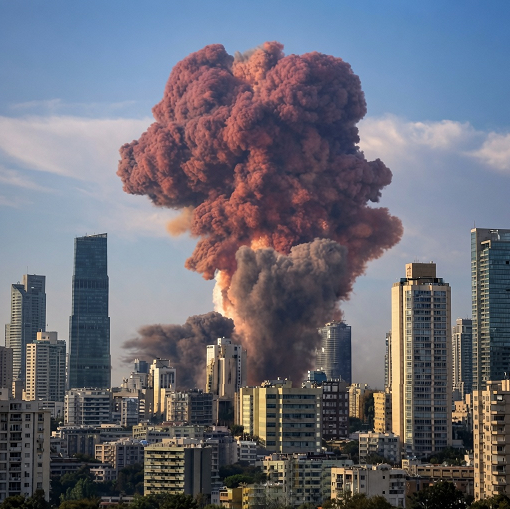
In the weeks that followed, the offensive reportedly expanded beyond military targets to include key energy and industrial infrastructure. Oil depots, refineries, and major energy facilities were struck, leading to extensive fires and environmental concerns. Independent monitoring groups cited in the report allegedly documented more than 2,300 strikes across most of Iran’s provinces. Strategic sites such as the South Pars gas field and facilities on Kharg Island were targeted, disrupting energy production and contributing to higher global oil and gas prices.
A central objective of the campaign was reportedly Iran’s nuclear program. Israeli forces targeted facilities including the Natanz enrichment complex, long regarded as a cornerstone of Iran’s nuclear activities. Iran responded with missile attacks near Israel’s Dimona nuclear research area, raising fears of a broader regional confrontation involving nuclear-capable states.
The report portrays the operation as Israel’s most significant military campaign since its founding, reshaping regional geopolitics and causing thousands of casualties. Israeli officials are described as seeking not only to damage Iran’s nuclear capabilities but also to establish air superiority and weaken Tehran’s ability to respond militarily. The campaign has intensified tensions across the Middle East, affected global energy markets, and heightened concerns about the risk of wider regional escalation. While the full consequences remain uncertain, the conflict is depicted as a pivotal moment with far-reaching implications for regional security, international diplomacy, and the future balance of power in the Middle East.