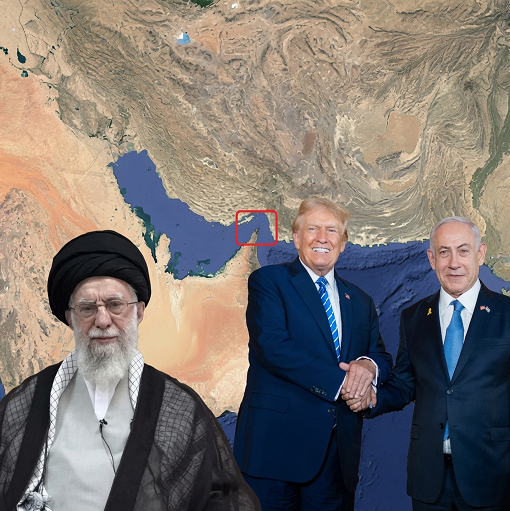
Iran’s parliament has approved a move toward closing the Strait of Hormuz have generated global concern because the waterway is one of the world’s most important energy transit routes. Roughly one-fifth of global oil trade and significant volumes of liquefied natural gas pass through the narrow strait, making it a critical link between producers in the Persian Gulf and markets around the world.
The development has drawn intense attention because any actual disruption to traffic through the strait could have immediate economic consequences. Energy prices would likely rise, shipping costs could increase, and supply chains dependent on oil and gas imports might face additional pressure. Countries across Asia, Europe, and beyond closely monitor developments in the region because of their reliance on energy shipments that transit the waterway.
However, an important distinction remains between political approval, threats, or proposals and an actual closure. Implementing and sustaining a closure would be a complex undertaking with significant military, economic, and diplomatic consequences. It could affect not only Iran’s adversaries but also countries that maintain economic ties with Iran and depend on regional stability.
Analysts generally view such announcements through multiple lenses. Some interpret them as strategic signaling intended to increase leverage during periods of heightened tension. Others warn that even if a full closure does not occur, increased inspections, military activity, or security incidents could still disrupt shipping and raise market uncertainty.
The timing has amplified concerns because regional tensions are already elevated. In such environments, markets often react not only to confirmed actions but also to perceived risks. Energy traders, governments, shipping companies, and military planners are therefore closely watching developments for signs of whether the situation will escalate or stabilize.
For now, the key question is not simply what was approved, but whether concrete measures are taken that affect navigation through the strait. The global significance of the waterway means that even the possibility of disruption attracts worldwide attention. As more information emerges, policymakers and markets will be looking for evidence of actual implementation, international responses, and the broader impact on regional security and global energy supplies.