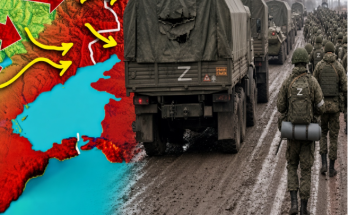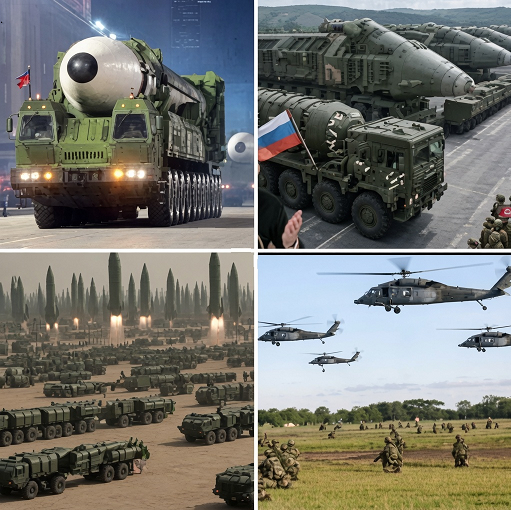
Rapidly intensifying debate within Europe about whether the continent is prepared for a potential large-scale conflict, particularly in the context of Russia’s ongoing war in Ukraine and shifting global security dynamics. It portrays the European Union as undergoing a significant reassessment of its defence posture after decades of relying heavily on diplomacy, economic integration, and U.S.-backed NATO guarantees to maintain stability.
According to the text, Russia’s full-scale invasion of Ukraine marked a turning point that shattered long-standing assumptions about European security. The continued uncertainty of the war, combined with rising geopolitical tensions and strained transatlantic relations, has increased pressure on European governments to strengthen their military capabilities and strategic independence.
In response, EU institutions and member states are described as accelerating defence-related initiatives. These include major financial commitments, such as a €90 billion loan package aimed at supporting Ukraine, as well as broader plans led by the European Commission to enhance Europe’s deterrence capacity by 2030. The underlying goal is to ensure that Europe can respond more independently to security threats in the future.
The passage also highlights increasingly stark rhetoric from global leaders and security officials. Statements attributed to Russian President Vladimir Putin emphasize a readiness for conflict, while NATO leadership warns that European territory could become a future target. European defence officials, including ministers from key countries such as Germany, further reinforce the urgency, suggesting that the continent may already be approaching a critical turning point in its security environment.
Overall, the narrative presents Europe as facing a narrowing window of time to prepare for potential escalation. Policymakers in Brussels and across the continent are depicted as working urgently to balance deterrence, unity, and preparedness while managing internal political and economic pressures. The central theme is a shift from a long-standing assumption of peace toward a more uncertain and potentially volatile strategic future, where defence readiness is becoming an immediate priority rather than a distant concern.