U.S. tensions with Iran, government transparency surrounding the Jeffrey Epstein case, and renewed interest in unidentified aerial phenomena (UAPs)—have converged in public discussion, creating a complex information environment that challenges citizens’ ability to separate fact from speculation.
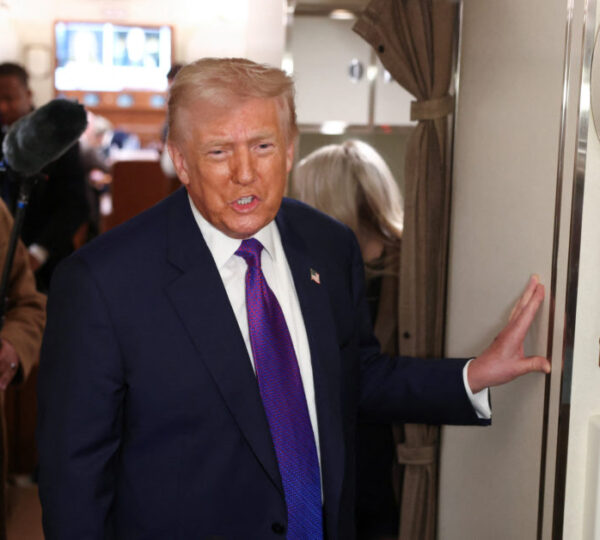
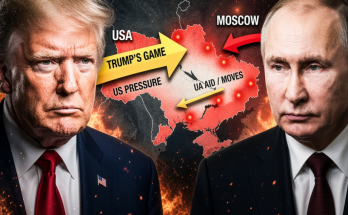
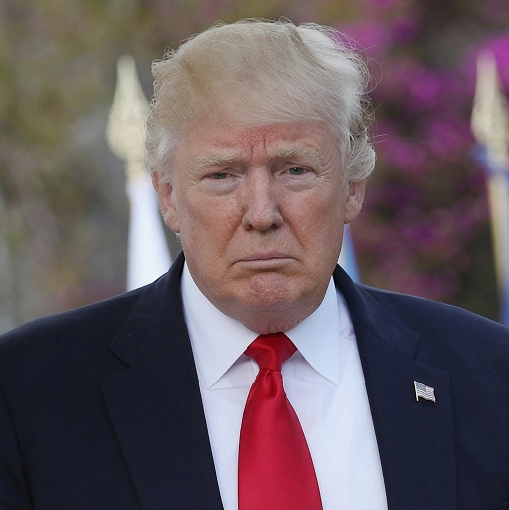
At the center of the discussion is President Donald Trump’s approach to Iran. His administration has issued firm warnings regarding nuclear negotiations, while U.S. military forces have adjusted their posture in response to regional developments. These actions have sparked debate about the balance between diplomacy and military pressure, as well as questions about how much intelligence information has been shared publicly. Supporters view the policy as a necessary response to evolving security threats, while critics argue that it departs from earlier promises to avoid deeper foreign conflicts.

The article argues that when governments provide limited information, public uncertainty grows. In the absence of complete details, media coverage, political commentary, and public speculation often fill the gaps, creating competing interpretations of events.
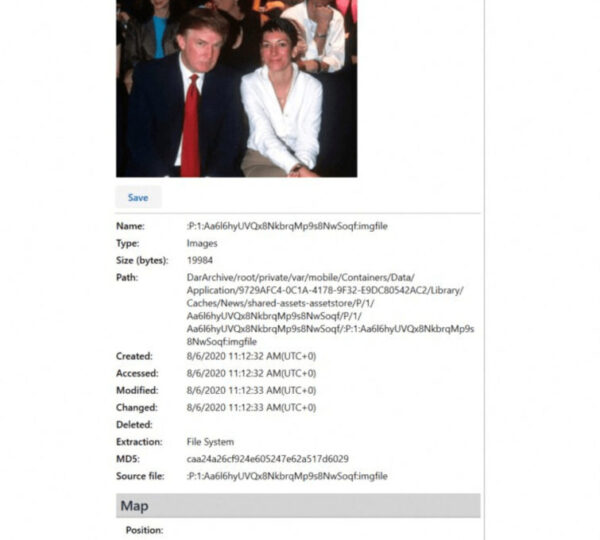
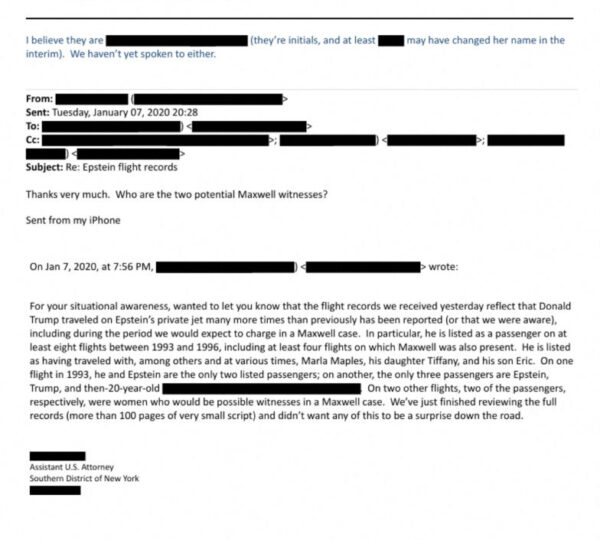
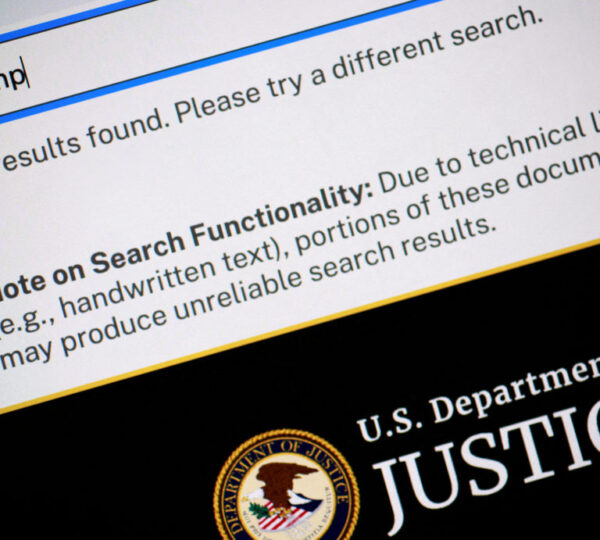
At the same time, ongoing interest in the Epstein files continues to fuel public demands for transparency. Although millions of pages of documents have reportedly been released following new disclosure legislation, many Americans remain unconvinced that all relevant records have been made public. The case remains a symbol of broader concerns about accountability, institutional trust, and access to information involving powerful individuals.
Adding another layer to the public conversation is renewed attention to UAP and extraterrestrial-related government records. Trump’s direction to release additional files on the subject has generated significant curiosity, even though no evidence has emerged confirming extraterrestrial contact. The topic continues to attract public fascination because it touches on questions of secrecy, disclosure, and government credibility.
The article emphasizes that these three issues are not necessarily connected. However, because they are unfolding simultaneously, some observers perceive patterns or relationships that may not exist. Analysts caution against assuming coordination without evidence, noting that multiple major stories often compete for attention in modern media environments.
Ultimately, the piece argues that the real challenge is not determining which story matters most, but learning how to navigate overlapping crises responsibly. It encourages readers to distinguish between verified facts, informed analysis, and speculation, while recognizing that clarity often emerges gradually rather than instantly. In an age of rapid information flow, patience, critical thinking, and attention to evidence remain essential tools for understanding complex events.