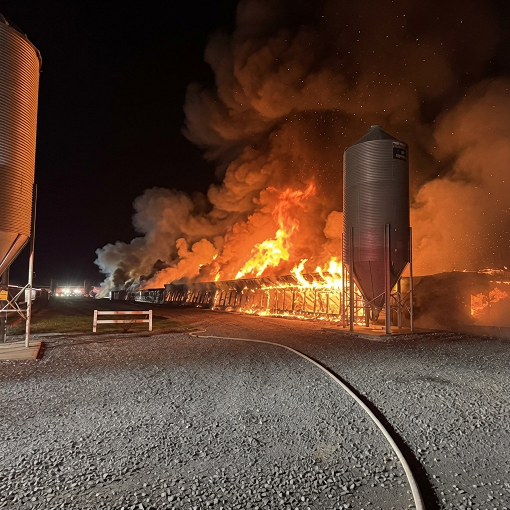
A devastating wildfire tore through a residential community, damaging or destroying at least 300 homes and forcing large-scale evacuations. Driven by powerful winds, dry vegetation, and extremely favorable fire conditions, the blaze spread with extraordinary speed, overwhelming neighborhoods and leaving widespread destruction in its wake. Emergency officials continue to assess the full extent of the damage, but early reports indicate that entire blocks were reduced to rubble and ash, displacing hundreds of families and creating a long road to recovery.
Residents described terrifying scenes as flames advanced rapidly from street to street. Many had only minutes to evacuate, leaving behind homes, possessions, and cherished family memories. Witnesses recalled seeing embers carried by strong winds, igniting new fires far ahead of the main blaze. Families fled with whatever they could carry, while sirens, smoke, and towering flames transformed familiar neighborhoods into scenes of chaos. For many survivors, the emotional impact of losing homes, photographs, heirlooms, and personal belongings has been as devastating as the physical destruction itself.
Firefighters and first responders faced extremely challenging conditions throughout the emergency. High winds, dense smoke, and intense heat complicated containment efforts, while rapidly changing fire behavior created constant risks for emergency crews. Authorities deployed multiple ground units, aerial firefighting resources, and emergency command centers to coordinate the response. Their primary focus was saving lives and safely evacuating residents before the fire could overtake additional communities.
The disaster prompted a massive humanitarian response. Schools, churches, and community centers were converted into emergency shelters, providing temporary housing, food, clothing, medical assistance, and emotional support. Volunteers, local organizations, and businesses quickly organized donation drives and fundraising campaigns to help affected families meet immediate needs. Social media also became a valuable tool for connecting victims with resources and coordinating relief efforts.
Stories of courage and compassion emerged amid the devastation. Neighbors helped elderly residents evacuate, rescued pets, and shared transportation and shelter with those in need. Firefighters and emergency personnel were praised for working tirelessly under dangerous conditions, often risking their own safety to protect lives. Animal rescue groups also played an important role by caring for displaced pets and helping reunite animals with their owners.
Experts noted that prolonged dry conditions, heat, and strong winds created an environment highly susceptible to fast-moving fires. Environmental specialists warned that similar events may become more frequent in some regions, highlighting the need for stronger preparedness measures and improved fire mitigation strategies.
Recovery efforts are now shifting toward rebuilding homes, restoring utilities, assessing environmental impacts, and supporting residents’ mental health. Officials emphasize that reconstruction will likely take months or years and may require significant financial resources. Discussions are also underway about strengthening building codes, improving emergency warning systems, and encouraging fire-resistant construction.
Despite the immense destruction, the disaster revealed remarkable resilience within the community. Through volunteerism, mutual support, and coordinated emergency response, residents have demonstrated determination to rebuild and recover. While the scars of the fire will remain for years, the unity, compassion, and perseverance displayed throughout the crisis offer hope for a stronger future.