The reported congestion of oil tankers near the Strait of Hormuz highlights how instability in a single strategic region can have global economic consequences. As concerns over shipping disruptions grow and oil prices reportedly rise above $100 per barrel, governments, businesses, and consumers around the world are paying close attention to developments in one of the world’s most important energy corridors.
The Strait of Hormuz serves as a critical gateway connecting the Persian Gulf to international markets. A significant share of global oil exports passes through this narrow waterway each day, making it a vital component of the world’s energy supply chain. Because of its importance, even the possibility of disruption can trigger immediate reactions in financial and energy markets. Rising oil prices often affect transportation, manufacturing, and consumer goods, increasing costs for businesses and households alike.
According to reports, heightened tensions in the region have led to uncertainty among shipping operators. Claims that Iran has partially restricted access to the strait, combined with reports of naval mines and warnings directed at certain vessels, have raised concerns about the safety of commercial traffic. While the extent of these restrictions and their impact may vary, the perception of risk alone has been enough to increase market anxiety and fuel concerns about supply disruptions.
The situation has transformed what is normally a busy commercial route into a geopolitical flashpoint. Maritime security experts warn that crowded shipping lanes, military activity, and heightened tensions create conditions where miscalculations or accidents could potentially escalate into larger confrontations. In such an environment, even a relatively minor incident could have significant economic and diplomatic repercussions.
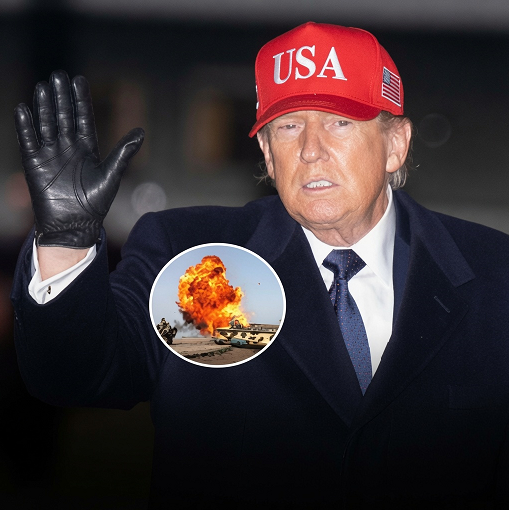
Political leaders have also weighed in on the crisis. Statements attributed to former President Donald Trump have emphasized that protecting international shipping routes is a shared responsibility among major global powers and allies. His remarks reportedly called attention to the role of NATO partners and other nations that depend on energy flowing through the region, framing the issue as a broader test of international cooperation and alliance commitments.
Beyond the immediate economic concerns, discussion of potential military action against Iranian energy infrastructure has increased fears of a wider regional conflict. Analysts note that any direct confrontation could affect not only oil production and transportation but also broader diplomatic and security relationships throughout the Middle East and beyond.
Ultimately, the situation demonstrates how interconnected the global economy has become. Events in a narrow waterway thousands of miles away can influence fuel prices, transportation costs, inflation, and financial markets worldwide. As tensions continue, governments, energy companies, and international organizations are closely monitoring developments while emphasizing the importance of diplomacy, stability, and the uninterrupted flow of global commerce.