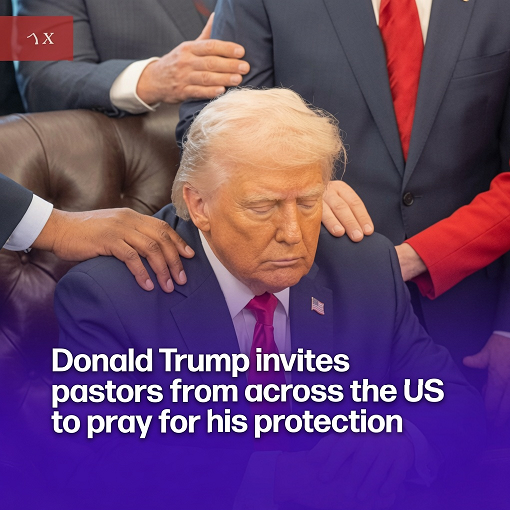
A quiet but powerful moment inside the Oval Office sparked intense debate as pastors gathered around President Donald Trump to pray during a period of rising tensions in the Middle East. The image, which quickly spread across social media, showed religious leaders laying hands on the president while concerns grew about missile strikes, military actions, and the possibility of a wider regional conflict.
For many supporters, the scene represented humility and faith during a time of uncertainty. They viewed the prayers as a sincere request for wisdom, protection, and guidance while difficult national security decisions were being made. In their eyes, seeking spiritual support during a crisis reflected responsible leadership rather than political symbolism.
Others reacted very differently. Critics expressed concern that the moment blurred the line between religious influence and government decision-making. They argued that the image of pastors praying over a sitting president while military tensions escalated raised important questions about the relationship between faith, politics, and the use of military power.
Despite the differing reactions, the photograph highlighted a deeper reality shared by people across the political spectrum: widespread anxiety about the potential consequences of conflict. Whether they supported or criticized the event, many recognized that decisions made in Washington could have significant effects on lives throughout an already unstable region.
The viral image became more than a simple photograph. It served as a symbol of competing views about leadership, faith, and national responsibility during moments of international crisis. For supporters, it reflected hope and spiritual guidance. For critics, it prompted concerns about the intersection of religion and government.
Ultimately, the moment underscored how a single image can generate powerful reactions when the stakes are high. Amid debates over politics and faith, the underlying concern remained the same: the desire for wise decisions, stability, and the prevention of further conflict.