In late February 2026, a major geopolitical escalation reportedly erupted into open warfare after the United States and Israel launched coordinated military strikes against Iran. The conflict quickly expanded beyond initial air and missile attacks into a broader regional war involving Iranian retaliation, proxy engagements, and widespread international consequences affecting global security and energy markets.
The origins of the conflict are described as deeply rooted in long-standing tensions between Iran, Israel, and the United States. These tensions have historically centered on Iran’s nuclear ambitions, regional influence, and support for allied militant groups. In the years leading up to 2026, repeated cycles of escalation—including missile exchanges, drone strikes, and maritime disruptions in the Red Sea and Gulf—contributed to an increasingly volatile environment. Proxy conflicts involving Iran-aligned groups such as the Houthis further intensified instability, while Western military deployments in the region added to rising friction.
According to the account, the immediate trigger for the war was a large-scale joint U.S.–Israeli military operation launched on February 28, 2026. The strikes reportedly targeted military infrastructure deep inside Iran, including missile facilities, air defense systems, and command centers in major cities such as Tehran, Isfahan, and Qom. The operation allegedly resulted in the death of Iran’s Supreme Leader, a development described as a major turning point that significantly escalated the conflict.
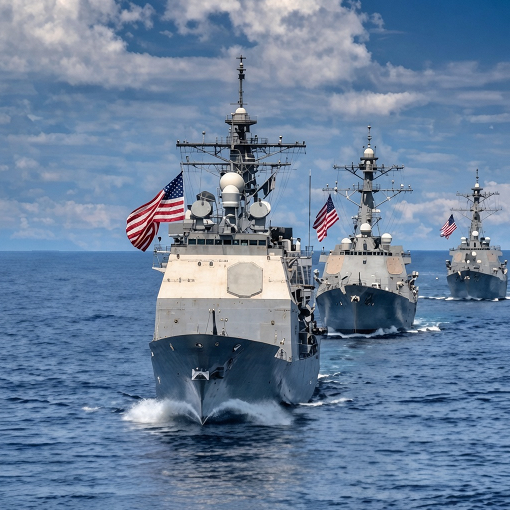
The U.S. campaign, described under the code name “Operation Epic Fury,” involved long-range bombers, cruise missiles, and precision strikes supported by naval forces deployed in the region. Carrier-based aircraft and missile systems were used to target Iranian military installations, with the stated goal of disabling Iran’s missile and drone capabilities and preventing further attacks against U.S. and allied forces.
Iran responded with large-scale missile and drone attacks targeting Israel and U.S. military bases across the Middle East, including installations in the Gulf region. While many of these attacks were intercepted, some reportedly struck military and civilian infrastructure, leading to casualties and significant damage. The use of drone swarms and ballistic missiles contributed to the widening geographic scope of the conflict.
As the war expanded, additional fronts emerged through Iran-aligned proxy groups. Hezbollah launched attacks into northern Israel, while militias in Iraq engaged U.S. forces in multiple locations. These developments transformed the conflict into a multi-theater war involving both state and non-state actors across the region.
The conflict also had significant human and economic consequences. Civilian casualties were reported in Iran and across affected areas, alongside displacement and damage to infrastructure. Global markets reacted sharply, with oil prices rising above $100 per barrel due to concerns over supply disruptions through the Strait of Hormuz. Financial instability increased as investors reacted to escalating geopolitical risks.
Internationally, reactions were mixed. Some U.S. allies expressed support, while others called for restraint and diplomacy. The United Nations and several global powers urged de-escalation and warned of broader regional instability. At the same time, divisions emerged over legal and humanitarian concerns surrounding the strikes.
The war also sparked debate about U.S. strategic objectives. Statements attributed to U.S. leadership emphasized degrading Iran’s military capabilities and deterring future attacks, while discussions about potential escalation, including ground involvement, remained uncertain.
Overall, the situation is described as a rapidly evolving and highly complex conflict with wide-ranging military, political, and humanitarian implications. The unfolding war has reshaped regional dynamics, disrupted global systems, and raised urgent questions about escalation control, diplomacy, and long-term stability in the Middle East.