The article argues that Europe is undergoing a major shift in its approach to security as rising tensions with Russia, continued war in Ukraine, and uncertainty about future U.S. support force European leaders to strengthen the continent’s defense capabilities. What was once viewed as a distant concern is now being treated as an urgent strategic challenge.
The turning point came after Russia’s invasion of Ukraine, which shattered assumptions that large-scale war was unlikely on European soil. At the same time, the United States has increasingly urged European nations to take greater responsibility for their own defense. In response, the European Union has launched a series of initiatives aimed at improving military readiness, expanding defense production, and increasing coordination among member states.
European leaders have approved major financial commitments, including support for Ukraine and long-term defense investments. Warnings from political and military figures have heightened the sense of urgency. NATO leaders and defense officials have cautioned that future threats to European security cannot be ruled out, leading many governments to accelerate military planning.
Despite this political momentum, public opinion appears far less supportive of military engagement. Surveys show that many Europeans are reluctant to participate directly in armed conflict, although concern about security threats is highest in countries closest to Russia. Nations such as Poland, Lithuania, Latvia, Estonia, Finland, and Sweden have taken especially active roles in preparing their populations through civil-defense programs, public awareness campaigns, emergency planning, and infrastructure improvements.
At the European level, defense spending has reached record levels. The EU’s Readiness 2030 strategy seeks to improve the movement of troops and equipment across borders, reduce bureaucratic obstacles, and modernize critical infrastructure such as roads, railways, ports, bridges, and tunnels. These measures are intended to ensure that Europe can respond more quickly during a crisis.
The EU has also launched programs designed to strengthen defense manufacturing and encourage joint procurement among member states. Through initiatives such as ReArm Europe, the European Defence Industry Programme (EDIP), and the Strategic Armament Financing Envelope (SAFE), governments are being encouraged to coordinate purchases, invest in shared projects, and improve interoperability between military systems.
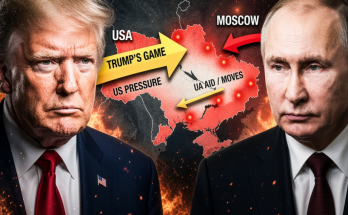
Pressure from Washington has further accelerated these efforts. American officials have repeatedly argued that Europe should assume a larger share of NATO’s defense responsibilities. This has fueled debate about Europe’s long-term strategic autonomy and whether it can maintain security if U.S. commitments become less certain.
However, experts caution that increased spending alone will not solve Europe’s challenges. Defense industries remain fragmented, procurement processes are often slow, and production capacity still faces limitations. European officials acknowledge that decades of underinvestment cannot be reversed quickly.
The article concludes that Europe is no longer debating whether stronger defense measures are necessary. Instead, the central question is whether European governments can modernize their military capabilities, industrial base, and strategic readiness quickly enough to meet growing security challenges in an increasingly uncertain world.