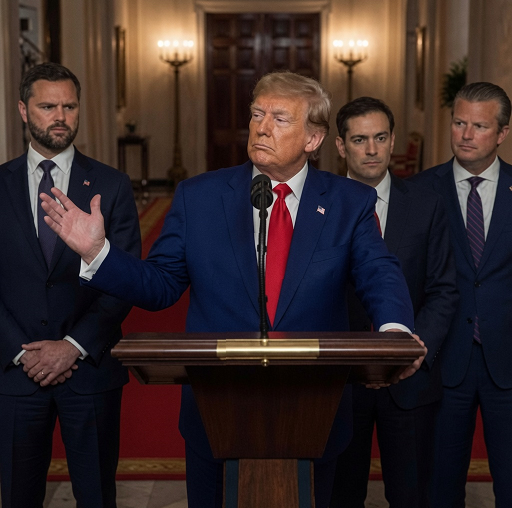
Former U.S. President Donald Trump faces a series of criminal charges stemming from allegations that he attempted to interfere with the lawful transfer of presidential power following the election. Prosecutors contend that the case is not merely about political rhetoric or disputed election claims, but about actions they say crossed the line into criminal conduct.
The indictment includes allegations such as conspiracy to defraud the United States, obstruction of an official proceeding, and interference with constitutionally protected rights. According to prosecutors, Trump and others engaged in a coordinated effort designed to disrupt official government processes and influence the certification and administration of election results. They argue that the alleged conduct went beyond protected political speech and represented an organized attempt to undermine established democratic procedures.
A central issue expected to dominate the trial is the distinction between protected political expression and unlawful actions. Legal experts note that courts will likely examine whether the conduct described in the indictment falls within the protections of the First Amendment or whether it constitutes criminal behavior. The outcome could help define future legal standards regarding political advocacy, election disputes, and the limits of presidential conduct.
Trump and his legal team have firmly rejected the allegations. They argue that his actions were lawful, that he was exercising his rights to challenge election outcomes, and that his statements and efforts are protected under the Constitution. His attorneys maintain that the prosecution is politically motivated and warn that pursuing criminal charges against a former president for actions connected to election disputes could establish a troubling precedent.
The case has generated intense political debate across the United States. Supporters of the prosecution view it as an important test of accountability and the rule of law, arguing that no public official should be above legal scrutiny. They contend that democratic institutions must be protected from efforts that could interfere with constitutional processes.
Critics, however, believe the prosecution risks deepening political divisions and could encourage future administrations to pursue criminal investigations against political opponents. They argue that criminalizing actions connected to contested elections could have long-term consequences for the political system.
As the proceedings move through pre-trial motions, hearings, and potential appeals, the case is expected to remain a major focus of public attention. Beyond its immediate legal significance, the court’s eventual ruling could shape future interpretations of presidential authority, election-related conduct, and the legal boundaries between political advocacy and criminal activity. The decision may ultimately influence how future leaders respond to disputed elections and how the justice system evaluates such actions.