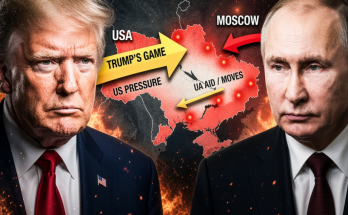
Washington, D.C. is portrayed as experiencing a sudden transformation after a federal takeover order attributed to Donald Trump, which rapidly altered policing and daily life in the capital. The narrative describes an immediate surge of federal presence, including sirens, unmarked vehicles, joint law enforcement patrols, and increased surveillance activity. Supporters within the city interpret the crackdown as an effective intervention that reduced crime and restored a sense of safety, allowing some residents to walk the streets with less fear than before. However, the same measures have also introduced heightened anxiety for others, particularly immigrant communities, who report avoiding contact with authorities and feeling uncertain about enforcement actions near schools, transit stops, and neighborhoods.
It emphasizes the psychological impact of the enforcement presence, as residents monitor surveillance activity, question authority, and face confusion over jurisdiction between federal and local forces in a rapidly evolving urban security environment overall situation. Official claims cite crime reduction, but critics say fear has merely shifted. It is framed as a test of democratic governance, raising concerns about whether heavy federal intervention can coexist with trust and civil rights. The account shows a city divided between safety gains and unease over militarized policing and federal control.