The International Monetary Fund (IMF) has warned that the conflict involving the United States, Israel, and Iran is already disrupting the global economy and could have long-lasting consequences. According to its latest projections, global economic growth is expected to slow to 3.1% in 2026 and 3.2% in 2027, assuming the conflict is resolved relatively quickly. Even under this optimistic scenario, growth would decline by about 0.3 percentage points compared to previous expectations.
The IMF cautioned that the impact could be significantly worse if the conflict continues for an extended period. In a more adverse scenario, global growth could fall to 2.5%, while a severe outcome could see it drop to just 2%, raising the risk of a global recession. These projections reflect the vulnerability of the global economy to prolonged geopolitical instability and supply disruptions.
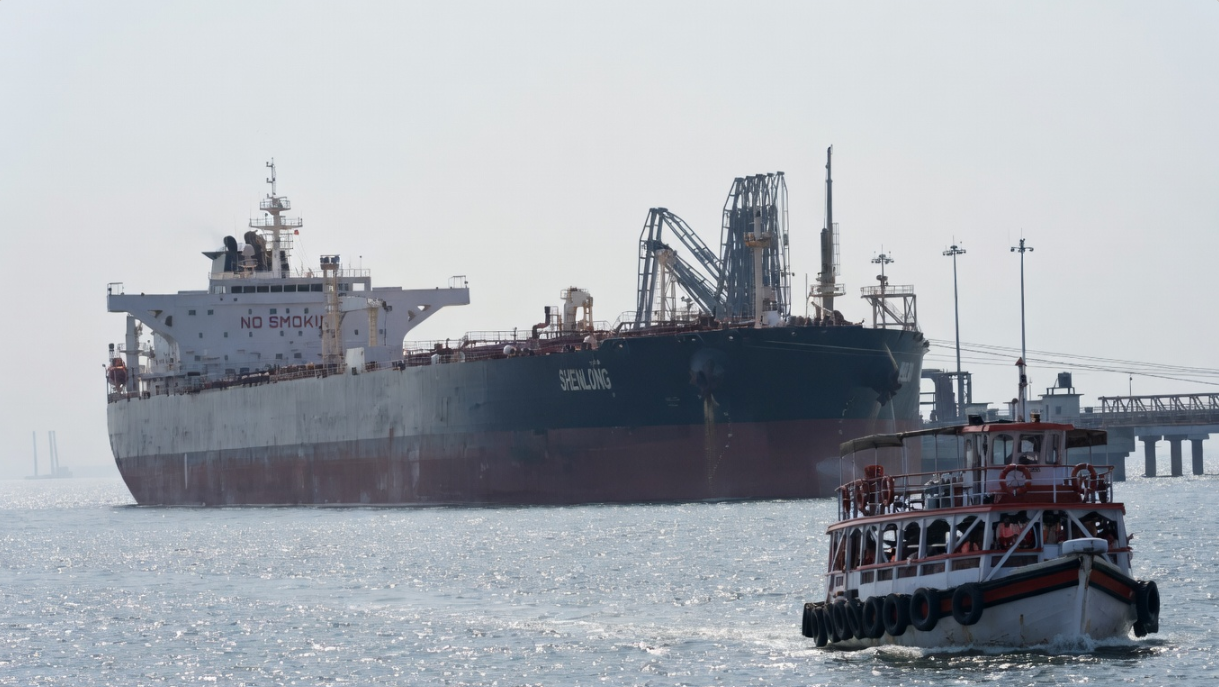
A major concern highlighted in the report is the effect on energy markets. The near-shutdown of the Strait of Hormuz—through which roughly one-fifth of the world’s oil supply passes—has already driven up energy prices. The IMF warned that gas prices could potentially double from prewar levels if disruptions persist, especially if energy infrastructure such as drilling and refining facilities is damaged or remains offline.
Rising energy costs are expected to ripple through other sectors, including food and agriculture, contributing to broader inflationary pressures. In an adverse scenario, global inflation could reach 5.4%, while in a more severe case it could exceed 6%, particularly if energy supply disruptions continue into the following year and financial conditions tighten.
Despite a temporary ceasefire, the IMF emphasized that economic damage has already occurred and that downside risks remain elevated. Overall, the report underscores how prolonged conflict and instability in key regions can significantly undermine global growth, increase inflation, and threaten broader economic stability.