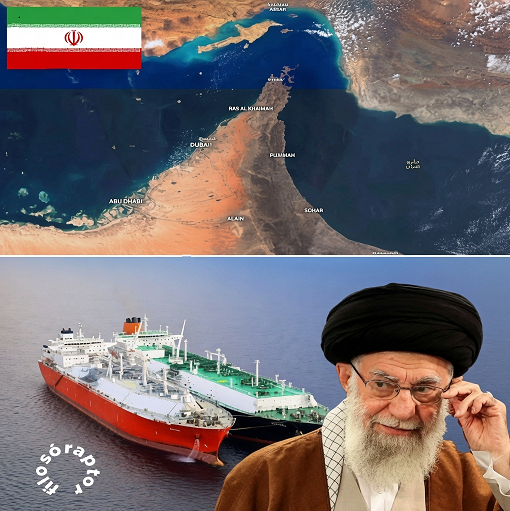
The Strait of Hormuz is one of the world’s most important maritime chokepoints, connecting the Persian Gulf to global shipping routes. Although only about 34 kilometers wide at its narrowest point, it carries a significant share of the world’s energy supplies, including roughly 20–30% of globally traded oil and a large portion of liquefied natural gas exports. Recent threats by Iran to block the waterway have raised concerns following heightened tensions with the United States.
A closure or major disruption of the Strait could have far-reaching economic consequences. Energy shipments from Gulf producers would face severe obstacles, potentially causing global oil prices to surge. For countries like India, which rely heavily on imported energy, higher crude prices could translate into increased fuel costs, more expensive transportation, rising airfares, and broader inflation affecting household expenses.
Governments worldwide are closely monitoring the situation, while military and diplomatic efforts focus on keeping the route open. The crisis highlights how a relatively narrow waterway can have an enormous impact on global trade, energy security, and economic stability.