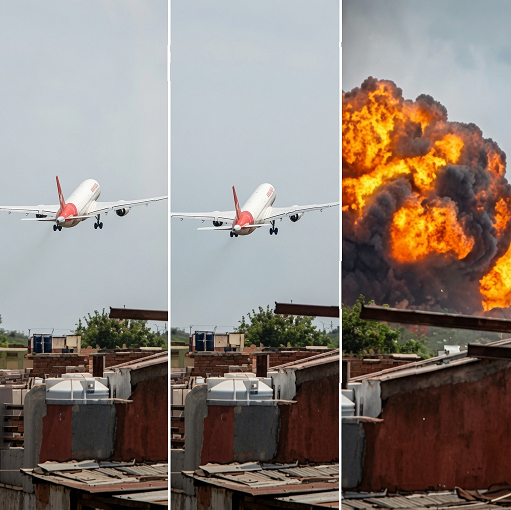
Breaking headlines claiming that a plane carrying more than 244 people has crashed can spread across social media within minutes, generating fear, confusion, and widespread concern. Such reports often use dramatic language, urgent alerts, and emotionally charged wording designed to attract attention and encourage rapid sharing. While these headlines may create the impression that a major aviation disaster has occurred, it is important to remember that early reports are not always accurate and should be approached with caution until verified by official sources.
Aviation incidents naturally attract significant public attention because of their potentially devastating consequences. Throughout history, major airline disasters have left lasting impacts on families, communities, and entire nations. As a result, any claim involving a passenger aircraft carrying hundreds of people immediately triggers strong emotional reactions. Many readers instinctively associate these reports with past tragedies, leading to concern even before details have been confirmed.
However, misinformation frequently spreads during breaking-news situations. Social media platforms can amplify rumors faster than facts become available. In some cases, old photographs from previous crashes are recycled and presented as current events. In others, unverified reports are shared widely before authorities have had an opportunity to investigate or issue statements. This can create unnecessary panic and confusion among the public.
When a serious aviation incident actually occurs, aviation authorities, emergency responders, airlines, and government agencies generally provide official updates relatively quickly. Verified information typically includes details such as the airline involved, the location of the incident, the number of passengers and crew members onboard, rescue operations, and the status of any investigation. These facts are released carefully to ensure accuracy and to avoid spreading misinformation.
Experts in media literacy emphasize that patience is essential during developing news events. The first reports are often incomplete, and initial details may change as investigators gather more information. Responsible reporting prioritizes verification over speed, helping ensure that the public receives reliable information rather than speculation.
The consequences of sharing unverified claims can extend beyond simple confusion. Families may become distressed if loved ones are traveling. Airline employees, emergency personnel, and local communities can also be affected by inaccurate reports. False information can complicate emergency responses and divert attention away from verified updates. For this reason, journalists and public officials consistently encourage people to confirm information through trusted sources before reposting or commenting on dramatic claims.
Reliable information is best obtained from official aviation authorities, transportation agencies, emergency management organizations, and established news outlets with professional verification standards. These organizations have access to investigators, official records, and direct communication channels that help ensure accuracy. Relying solely on viral social media posts can increase the risk of encountering misleading or false information.
Beyond verifying facts, empathy is equally important. Discussions surrounding potential aviation disasters should remain respectful and considerate, particularly when passengers, families, and communities may be affected. Speculation and sensationalism can increase emotional distress for those already facing uncertainty.
Ultimately, reports of a major plane crash should be treated carefully until authorities confirm the details. While such headlines understandably provoke concern, critical thinking and patience are essential. By seeking information from trustworthy sources, avoiding the spread of unverified claims, and maintaining compassion for those who may be affected, readers can help support accurate reporting and reduce unnecessary panic. In an era of instant communication, responsible information sharing remains one of the most important tools for navigating breaking news and ensuring that facts—not rumors—guide public understanding.