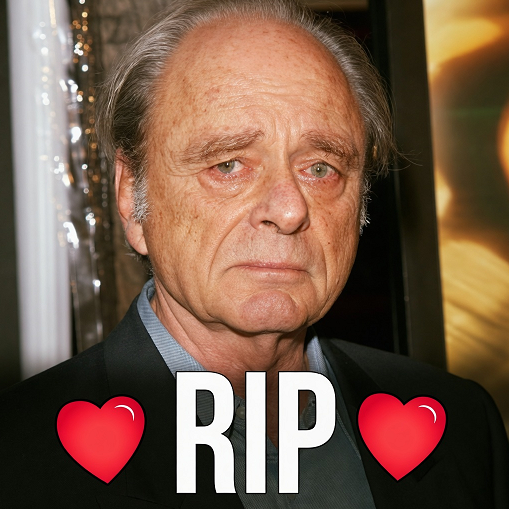
The death of Harris Yulin at the age of 87 marks the end of a remarkable career devoted to artistic excellence rather than celebrity. Yulin died of cardiac arrest in New York City, leaving behind a body of work that earned widespread respect across film, television, theater, and acting education. While he was never known as a conventional Hollywood star, he became one of the industry’s most admired character actors, recognized for his intelligence, discipline, and ability to elevate every project in which he appeared.
Throughout his decades-long career, Yulin built a reputation for bringing depth, authenticity, and quiet authority to his performances. He appeared in numerous acclaimed films, including Scarface, Training Day, and Ghostbusters II, while also making memorable contributions to television series such as Frasier and Ozark. Whether playing a judge, politician, criminal, or mentor, he possessed a unique ability to command attention without relying on dramatic displays. His performances were often subtle and measured, revealing complexity through small gestures, thoughtful pauses, and carefully delivered dialogue.
Colleagues frequently noted that Yulin’s greatest influence occurred away from cameras and audiences. In rehearsal rooms and backstage settings, he was known for his meticulous preparation and unwavering commitment to the craft of acting. Rather than seeking attention for himself, he focused on strengthening the work as a whole, helping fellow actors discover deeper truths within their performances. This dedication earned him enormous respect among peers and directors.
Yulin’s impact extended beyond acting through his role as an educator at the Juilliard School. There, he taught aspiring performers that acting was not merely a path to fame but a lifelong discipline requiring observation, patience, honesty, and responsibility. Former students often recalled his demanding standards, but they also remembered his profound respect for the art form and his commitment to helping others improve. He encouraged actors to listen carefully, think deeply about their characters, and pursue authenticity above all else.
What distinguished Yulin was his belief that meaningful work mattered more than public recognition. He approached every role with seriousness and humility, demonstrating that an actor’s influence is not measured solely by awards, headlines, or leading roles. Instead, he showed how consistency, integrity, and dedication can leave a lasting mark on audiences and colleagues alike.
Survived by his wife, Kristen Lowman, and countless students, collaborators, and admirers, Harris Yulin leaves behind a legacy rooted in craftsmanship and mentorship. His career serves as a reminder that some of the most enduring contributions to the arts come from those who quietly dedicate themselves to excellence. Though he is gone, his influence will continue through the performances he inspired and the generations of actors he helped shape.