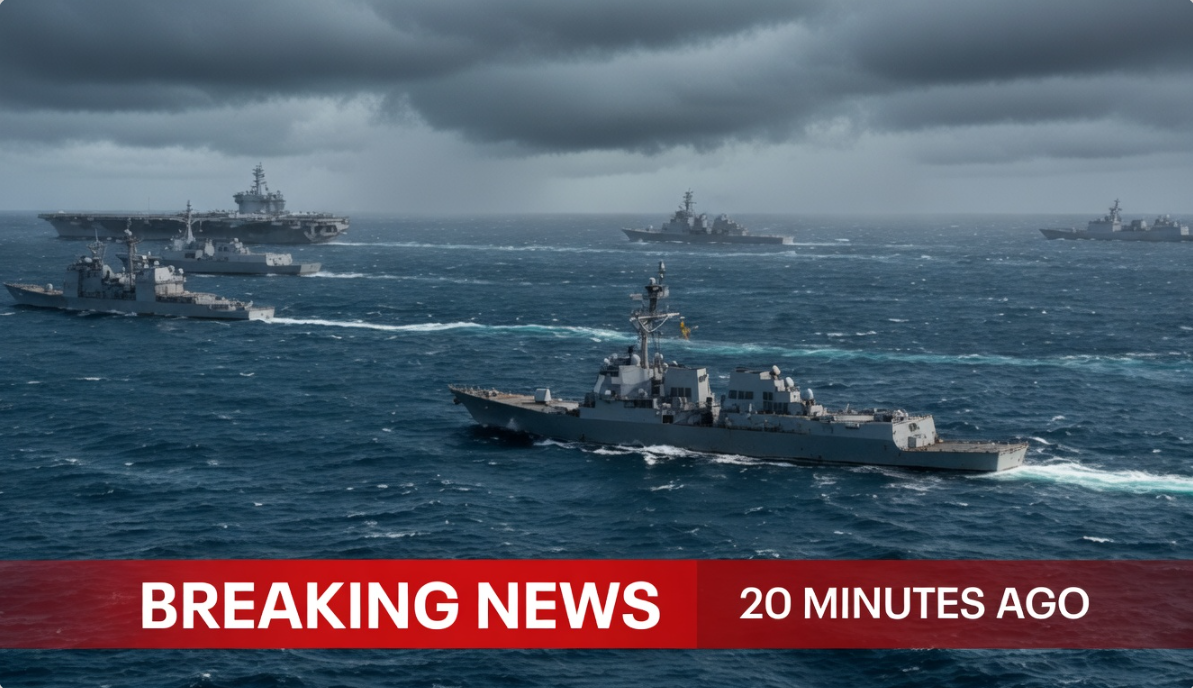
According to the United States Central Command (CENTCOM), the maritime blockade targeting vessels linked to Iran has resulted in the redirection of 14 ships within its first 72 hours of enforcement. Officials stated that all intercepted vessels complied with instructions from U.S. forces and turned back toward Iranian waters or coastal ports when contacted.
CENTCOM reported that American naval units operating in and around the Strait of Hormuz and adjacent waters issued radio communications to approaching vessels, directing them to reverse course rather than proceed through restricted zones. In each documented case, the ships complied without requiring boarding or the use of force.
The operation is described as part of a broader effort to enforce restrictions on maritime traffic entering and leaving Iranian ports. U.S. forces have maintained a visible naval presence in key shipping lanes to monitor commercial activity and ensure compliance with the blockade directives. The enforcement strategy has so far relied primarily on deterrence and communication rather than direct interdiction.
CENTCOM emphasized that the blockade has been effective in its early phase, with no reported breaches of vessels successfully passing through the restricted area. The coordination between naval forces and merchant vessels has, according to officials, prevented escalation while still achieving operational objectives.
The Strait of Hormuz remains one of the most critical maritime corridors in the world, carrying a significant portion of global oil shipments. As a result, any disruption or enforcement action in the area has immediate implications for international trade and energy markets.
Overall, CENTCOM’s report highlights the early operational outcomes of the blockade, including compliance by multiple vessels, continued enforcement patrols, and the strategic importance of maintaining control over maritime traffic in and around Iranian coastal waters.