Growing concerns about whether rising geopolitical tensions could eventually contribute to a wider global conflict. While experts generally do not believe that a world war is imminent, they warn that a combination of military competition, political miscalculations, regional conflicts, and strained alliances has increased uncertainty in several key regions.
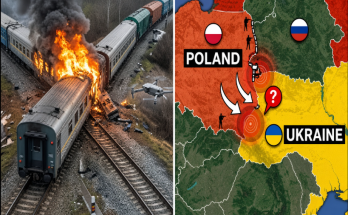
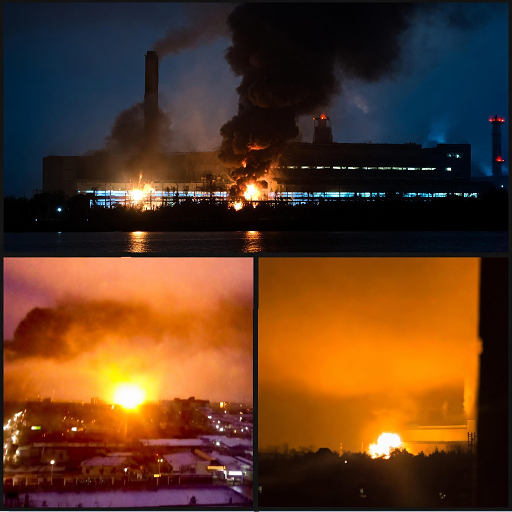
In Europe, the ongoing war between Russia and Ukraine remains a major security concern. Although occasional discussions about negotiations have occurred, little progress toward a lasting settlement has been achieved. Russian forces continue military operations, while drone and missile attacks remain common features of the conflict. NATO members have also expressed concern over incidents involving Russian aircraft operating near or entering the airspace of countries such as Estonia, Poland, and Romania. While these incidents have not resulted in direct military confrontation, officials worry that misunderstandings or accidents could increase tensions. Nations along NATO’s eastern flank have strengthened defense planning and reassessed security policies in response to the changing environment.
The article also highlights ongoing instability in the Middle East. The conflict involving Israel, Palestinian groups, and regional actors continues to create uncertainty despite periodic ceasefires and diplomatic efforts. Relations between Israel and Iran remain particularly sensitive. Military exchanges and concerns about Iran’s nuclear activities have raised fears of broader regional escalation. At the same time, shifting alliances and changes affecting regional armed groups have altered the strategic landscape. Although tensions remain high, many analysts believe regional governments generally prefer stability over a large-scale war that could have severe economic and political consequences.
In the Indo-Pacific, competition between China and the United States continues to focus heavily on Taiwan. The status of Taiwan remains one of the most sensitive issues in international relations. China views Taiwan as part of its territory, while many countries support maintaining peace and stability in the region. Increased military activity, naval deployments, and strategic competition have heightened concerns about the possibility of miscalculation. However, most experts note that all major powers recognize the enormous risks associated with military conflict.
Overall, the article concludes that the world faces a period of heightened geopolitical tension rather than an immediate path toward global war. The greatest dangers arise not necessarily from deliberate aggression but from accidents, misinterpretations, and crises that could escalate unexpectedly. As a result, diplomacy, communication, and crisis management remain essential tools for reducing risk and preserving international stability.