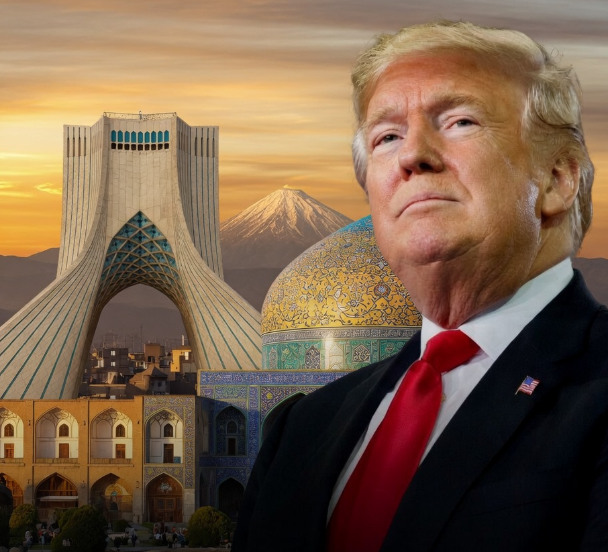
Negotiations between the United States and Iran have reportedly advanced on a proposed three-page memorandum of understanding aimed at ending the ongoing conflict between the two sides. According to U.S. officials and sources cited in the report, the framework outlines a tentative diplomatic arrangement focused on Iran’s nuclear program and broader financial and security concessions.
At the center of the proposal is a “voluntary” multi-year suspension of Iran’s uranium enrichment activities. The agreement would also require the transfer of a portion of Iran’s highly enriched uranium stockpile to a third-party country for secure handling, reducing concerns over potential weapons development. These steps are described as key conditions for de-escalation and a possible pathway toward a formal ceasefire or peace settlement.
In return, the United States would reportedly support the release of billions of dollars in frozen Iranian assets. These funds have been restricted under previous sanctions regimes and would be returned as part of the broader effort to incentivize compliance with the agreement. The financial component is intended to provide Iran with economic relief while encouraging adherence to nuclear limitations.
Officials described the talks as making “progress,” though the arrangement remains preliminary and subject to further negotiation. The memorandum is not a final treaty but rather a framework outlining potential commitments from both sides.
The discussions come amid heightened tensions in the region following ongoing military and diplomatic confrontations. The proposed deal reflects an attempt to balance security concerns about nuclear proliferation with economic and diplomatic incentives designed to reduce hostilities.
While the outline suggests movement toward de-escalation, significant questions remain about enforcement mechanisms, verification of compliance, and the durability of any agreement. The inclusion of uranium removal and financial sanctions relief indicates that both sides are exploring compromises, but final approval and implementation would still require additional negotiation and political agreement.