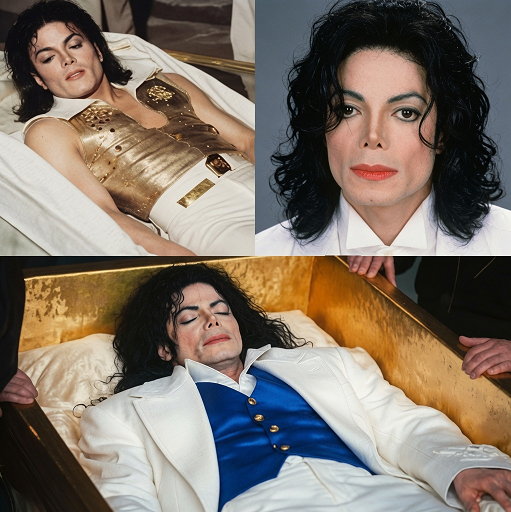
Paris Jackson about her father, Michael Jackson, offering a personal perspective that contrasts with the public controversies that often surrounded his life. Years after his death in 2009, Paris has shared memories that portray him not only as a global music icon but also as a devoted and caring parent whose influence continues to shape her life.
In a recent interview, Paris described lessons her father taught her during childhood. She recalled that Michael encouraged her to look beyond appearances and avoid judging people based solely on public opinion or reputation. According to Paris, he emphasized empathy, understanding, and the importance of seeing people for who they truly are. These values, she said, remain guiding principles in her life today.
Paris’s comments provide a more intimate portrait of Michael Jackson than the one often presented in media coverage. While much public attention focused on his fame, legal controversies, and eccentric image, she remembers a father deeply concerned about his children’s well-being. Her recollections describe a man who prioritized kindness, compassion, and moral responsibility despite the immense pressures of global celebrity.
The interview also highlights the emotional impact of Michael Jackson’s death on his family. Paris was only 11 years old when he died, and she explained that speaking publicly about her father has become part of her healing process. By sharing personal memories, she hopes to preserve a fuller understanding of who he was beyond the headlines and speculation that often dominated discussions about his life.
Fans around the world have responded warmly to her reflections. Many see her comments as a reminder that Michael Jackson’s legacy extends beyond his extraordinary musical achievements. While he remains one of the most influential entertainers in history, Paris’s testimony underscores the personal influence he had on those closest to him. She described him as a multifaceted individual whose compassion and humanity were as significant as his artistic talents.
The article also notes that Paris’s remarks have renewed public interest in unresolved questions and ongoing fascination surrounding Michael Jackson’s life and death. It references reports and theories that continue to circulate years after his passing, including discussions about the preservation of his remains. However, such claims remain subjects of speculation and public curiosity rather than established historical significance.
Ultimately, the article presents Michael Jackson as a complex figure whose legacy continues to inspire debate and reflection. Through Paris Jackson’s memories, readers see a portrait of a father who sought to teach empathy, integrity, and kindness to his children. Her reflections neither erase the controversies associated with his public life nor focus solely on them. Instead, they offer a personal account of a man remembered by his daughter as loving, thoughtful, and deeply invested in helping others. In doing so, Paris contributes a more human dimension to the enduring story of one of the most influential entertainers in modern history.