The government of Iran announced it is resuming “strict” control over the Strait of Hormuz, escalating tensions as a fragile two-week ceasefire with the United States nears expiration. Iran’s Islamic Revolutionary Guard Corps (IRGC) stated the waterway would return to its “previous state” under full military oversight unless the U.S. lifts its naval blockade restricting Iranian maritime traffic.
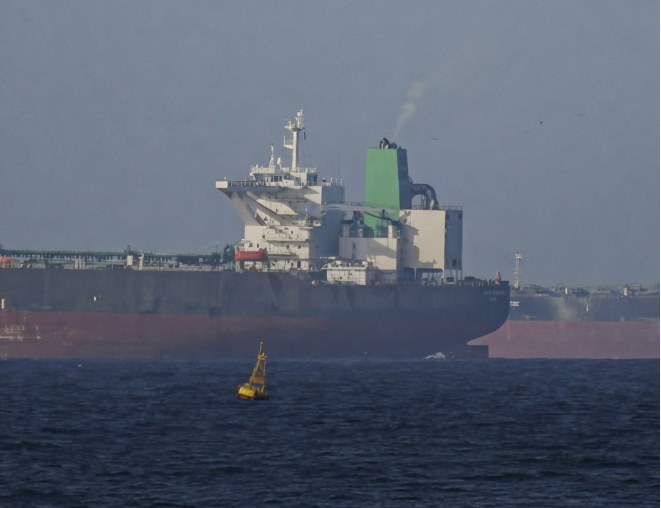
The situation has already led to incidents at sea. The United Kingdom Maritime Trade Operations reported that IRGC gunboats fired on a tanker transiting the strait, though no injuries or damage were reported. Iran later confirmed it had targeted vessels that attempted to bypass its authority, signaling a more aggressive enforcement posture.
This development follows conflicting signals from Iranian officials. Just one day earlier, Foreign Minister Abbas Araghchi said the strait would remain open for commercial shipping during the ceasefire. Meanwhile, Donald Trump welcomed that statement but insisted the U.S. blockade would continue until a broader agreement is reached.
The Strait of Hormuz is critical to global energy markets, carrying roughly 20% of the world’s oil supply. Disruptions have already driven up fuel prices and contributed to inflation, including gas prices exceeding $4 per gallon in the United States. The Trump administration has characterized these impacts as temporary, tied to ongoing negotiations.
Diplomatic efforts, reportedly mediated by Pakistan, are underway, with officials expressing cautious optimism. However, Trump warned that failure to reach a deal before the ceasefire expires could result in renewed U.S. airstrikes.
Despite rising tensions, Trump stated talks are progressing and suggested more clarity could come soon. The situation remains volatile, with military posturing, economic consequences, and diplomacy all converging in a critical phase of the conflict.