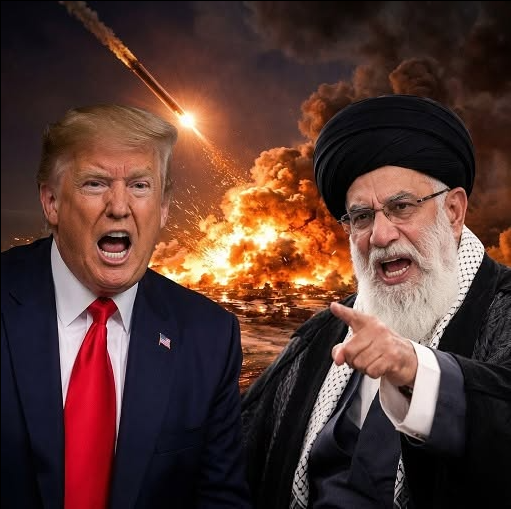
A tense incident reportedly unfolded on March 1, 2026, in the Strait of Hormuz, one of the world’s most strategically important maritime chokepoints.
What was initially described as a routine U.S. naval transit allegedly escalated into a brief but highly dangerous exchange involving missiles, countermeasures, and electronic warfare between U.S. forces and Iranian coastal defenses.
According to the account, anti-ship missiles were launched from positions along the Iranian coastline, prompting immediate defensive action by U.S. naval assets. Interceptors were deployed to destroy incoming threats, while electronic warfare systems attempted to disrupt targeting and radar capabilities. The exchange reportedly unfolded within minutes, but even its short duration carried significant geopolitical implications due to the sensitivity of the region.
U.S. forces are said to have responded with swift strikes against suspected launch sites, aiming to neutralize the immediate threat. While no American vessels were reportedly hit, the confrontation highlighted how quickly a localized military encounter in such a confined and heavily trafficked waterway could escalate into a broader conflict.
The Strait of Hormuz, through which a large portion of global oil shipments passes, is widely recognized as a critical chokepoint for international trade. Any disruption in the area has the potential to trigger global economic shockwaves, particularly in energy markets. This makes even brief confrontations highly consequential beyond their immediate military outcomes.
Analysts emphasize that incidents like this underscore the extreme risks of miscalculation in modern naval warfare, especially where advanced missile systems, rapid-response defenses, and electronic warfare capabilities are all operating simultaneously. Even without confirmed casualties or direct hits, the situation illustrates how quickly routine patrol operations can shift into near-conflict scenarios.
The event is expected to be studied in military and policy circles as a case study in escalation risk, reinforcing concerns that future incidents in the region could carry far more severe and potentially irreversible consequences if diplomatic and operational restraints fail.