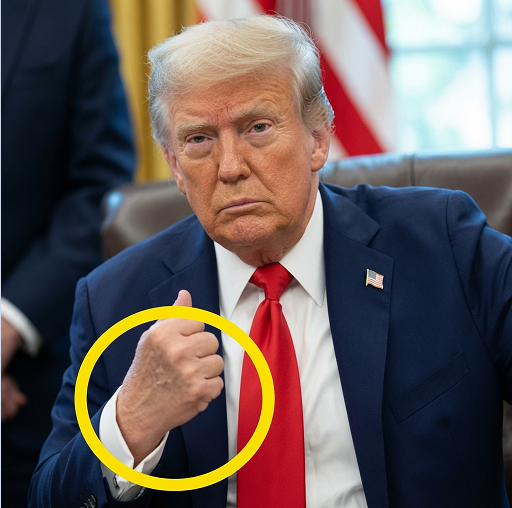
President Donald Trump was diagnosed with chronic venous insufficiency (CVI), according to a White House announcement made on July 17, 2025.
The disclosure came after public speculation surrounding visible swelling in the president’s lower legs during recent appearances. White House Press Secretary Karoline Leavitt said the evaluation was conducted as a precaution after Trump noticed mild swelling.
Doctors performed several tests, including bilateral lower-extremity venous Doppler ultrasounds and an echocardiogram. According to the White House, these examinations found no evidence of serious conditions such as deep vein thrombosis, arterial disease, or significant heart problems. Officials emphasized that the president remains in excellent overall health and continues to carry out his duties.
Chronic venous insufficiency occurs when the valves inside leg veins weaken, making it harder for blood to return to the heart.
This causes blood to pool in the legs, leading to symptoms such as swelling, heaviness, aching, and discomfort. The condition is common among older adults and is generally considered manageable rather than life-threatening.
Standard treatment typically includes compression stockings, regular exercise, leg elevation, weight management, and monitoring by physicians. More advanced cases may require minimally invasive procedures, though officials indicated that such treatments were not currently necessary.
The announcement sparked mixed reactions.
Supporters viewed the disclosure as an example of transparency and offered encouragement, while critics questioned whether the condition could affect the demands of the presidency. Medical experts noted that CVI is a common vascular condition and does not necessarily indicate serious health decline.
The White House stated that Trump will continue receiving routine medical care and monitoring. Officials also pledged to provide additional updates if needed while emphasizing that the president remains active and fully engaged in his responsibilities.