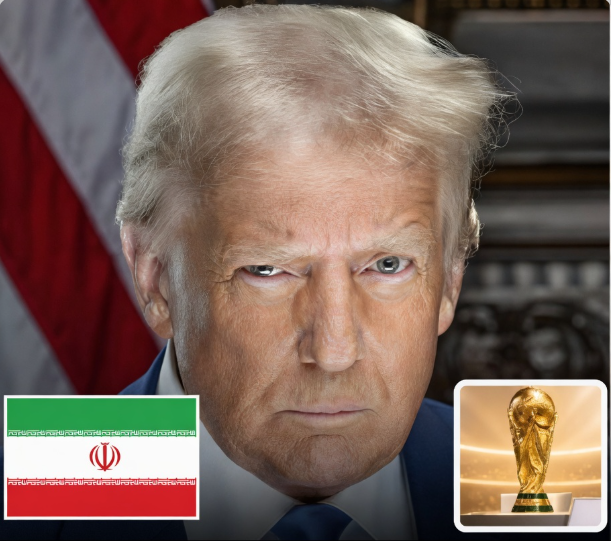
Donald Trump proposed an unusual change to the upcoming FIFA World Cup lineup. Paolo Zampolli reportedly suggested to Gianni Infantino that Iran be replaced by Italy in the tournament. The idea was framed partly as a diplomatic gesture aimed at easing political tensions and improving relations with Italy’s leadership following recent disagreements.
Despite the attention the proposal has received, it is important to note that it remains informal and has not been adopted by FIFA. There is no indication that FIFA is considering such a move, and the organization traditionally emphasizes that World Cup participation is determined strictly through sporting qualification processes rather than political considerations.
Italy did not qualify for the tournament through the established qualification system, having been eliminated during the playoff stage. In contrast, Iran successfully secured its place and is preparing to compete. Under FIFA regulations, removing a qualified team would be highly unusual and controversial, and any replacement would typically come from the same regional confederation rather than a different one.
The situation highlights the intersection of politics, diplomacy, and international sports. While proposals like this can generate headlines and spark debate, they often face significant practical and regulatory barriers. Analysts view the suggestion as largely symbolic rather than actionable, reflecting broader geopolitical dynamics rather than a realistic change to the tournament structure.
Overall, the proposal underscores how global sporting events can become entangled in political narratives, even though governing bodies like FIFA generally resist such influence to preserve competitive integrity.