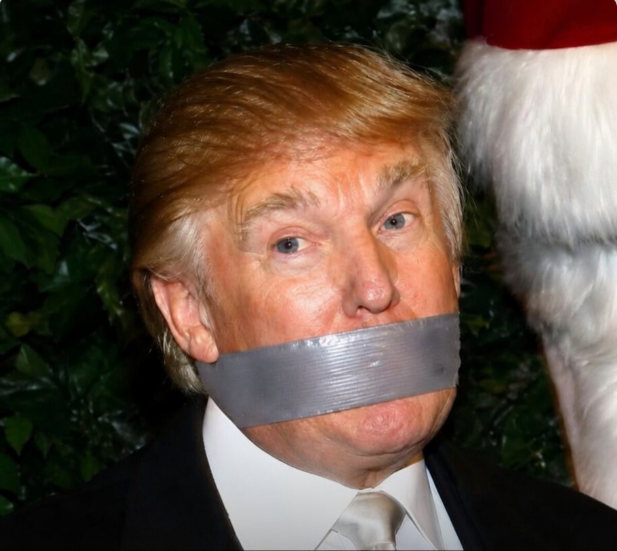
Discussion surrounding Donald Trump and his public statements continues to draw significant national attention, reflecting deep divisions in how his words are interpreted and evaluated. Critics argue that Trump has made a growing number of disputed or misleading claims during speeches, interviews, and public appearances. They contend that these statements raise concerns about accuracy and the broader impact of misinformation in political discourse, particularly given the influence of presidential communication on public understanding.
Supporters, however, push back against these criticisms, maintaining that many of Trump’s remarks are taken out of context or selectively presented by political opponents and media outlets. They argue that his communication style—often informal and unscripted—can be misinterpreted when excerpts are isolated from their full context. From this perspective, the issue is less about factual accuracy and more about how information is framed and distributed in a politically charged environment.
The debate has expanded beyond individual statements into broader questions about accountability and standards for evaluating political communication. Analysts note that disagreements over Trump’s remarks illustrate a wider divide in public perception, where audiences interpret the same information in fundamentally different ways depending on their perspectives and sources of information. This dynamic has become increasingly prominent in an era defined by rapid information sharing and highly segmented media consumption.
Experts emphasize the importance of context, verification, and balanced analysis when assessing statements made by influential leaders. They suggest that careful scrutiny, combined with responsible reporting, is essential for maintaining informed public discourse. Overall, the ongoing discussion highlights the challenges of navigating truth, interpretation, and trust in modern politics, where communication is both highly visible and intensely contested.